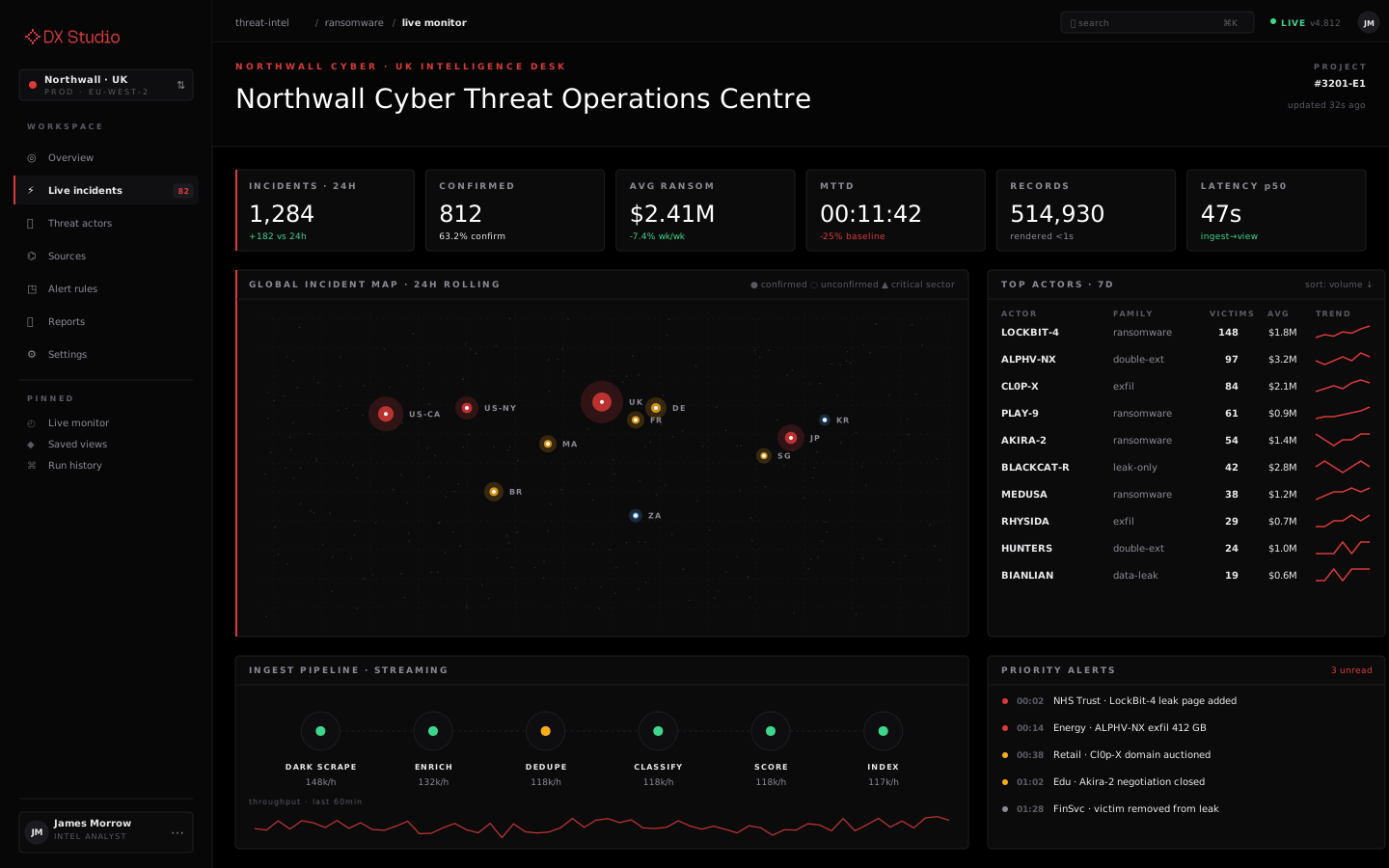
Real-Time Ransomware Monitoring Dashboard
Real-Time Ransomware Monitoring Dashboard
Helping a UK-based cybersecurity research organization turn fragmented ransomware intelligence into a live monitoring system built for faster threat response.
The client is a cybersecurity research organization based in the United Kingdom, known for publishing independent analysis on security tools, privacy services, and emerging threat landscapes. Their audience relies on timely, unbiased intelligence, especially when ransomware activity increases across industries and regions.
As ransomware incidents became more frequent and harder to track manually, the existing workflow started to slow the team down. Analysts had to gather information from OSINT feeds, incident trackers, newsletter digests, and public threat reports, then manually reconcile and validate each case before publishing insights.
This process created unnecessary delays at the exact moment when speed mattered most.
The challenge was not a lack of data, but the inability to turn fast-moving signals into trusted insight.
The client already had access to multiple intelligence sources, but the data lived in separate places, arrived in different formats, and required manual review before it could be used. Static reports and periodic updates were no longer enough for a threat environment where new incidents could appear every hour.
Off-the-shelf dashboard tools also struggled with the size and speed of the data. As ransomware records grew, dashboards became slower, queries timed out, and analysts lost confidence in the tools they were supposed to rely on.
The goal was clear: build a real-time monitoring dashboard that could ingest, clean, classify, and visualize ransomware incidents with minimal manual effort.
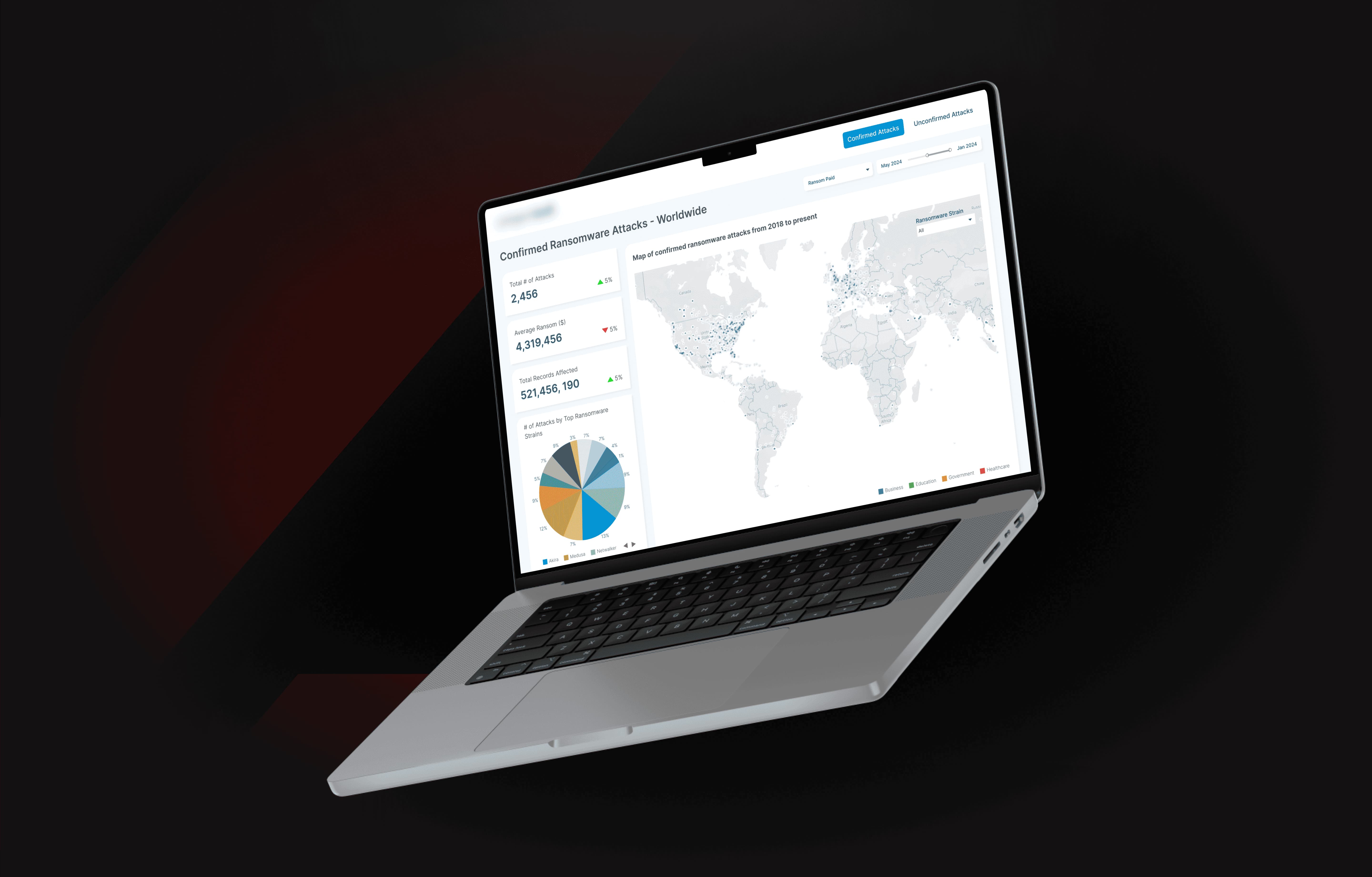
We designed a streaming intelligence pipeline connected to a high-performance Tableau dashboard.
The solution combined live data ingestion, automated classification, and performance-tuned visualization in one end-to-end system. A streaming ETL pipeline built with Python and Apache Kafka continuously captured ransomware intelligence from multiple sources, normalized inconsistent records, and pushed clean data into Tableau’s Hyper extract engine.
This allowed the dashboard to reflect new incident data with under 60 seconds of latency.
Custom Python scripts were used to classify events as Confirmed or Unconfirmed through a combination of rule-based logic and machine-learning heuristics. This reduced manual triage by 70% and allowed analysts to focus on credible, high-risk incidents instead of spending hours cleaning and validating raw data.
The dashboard was built for speed, clarity, and analyst decision-making.
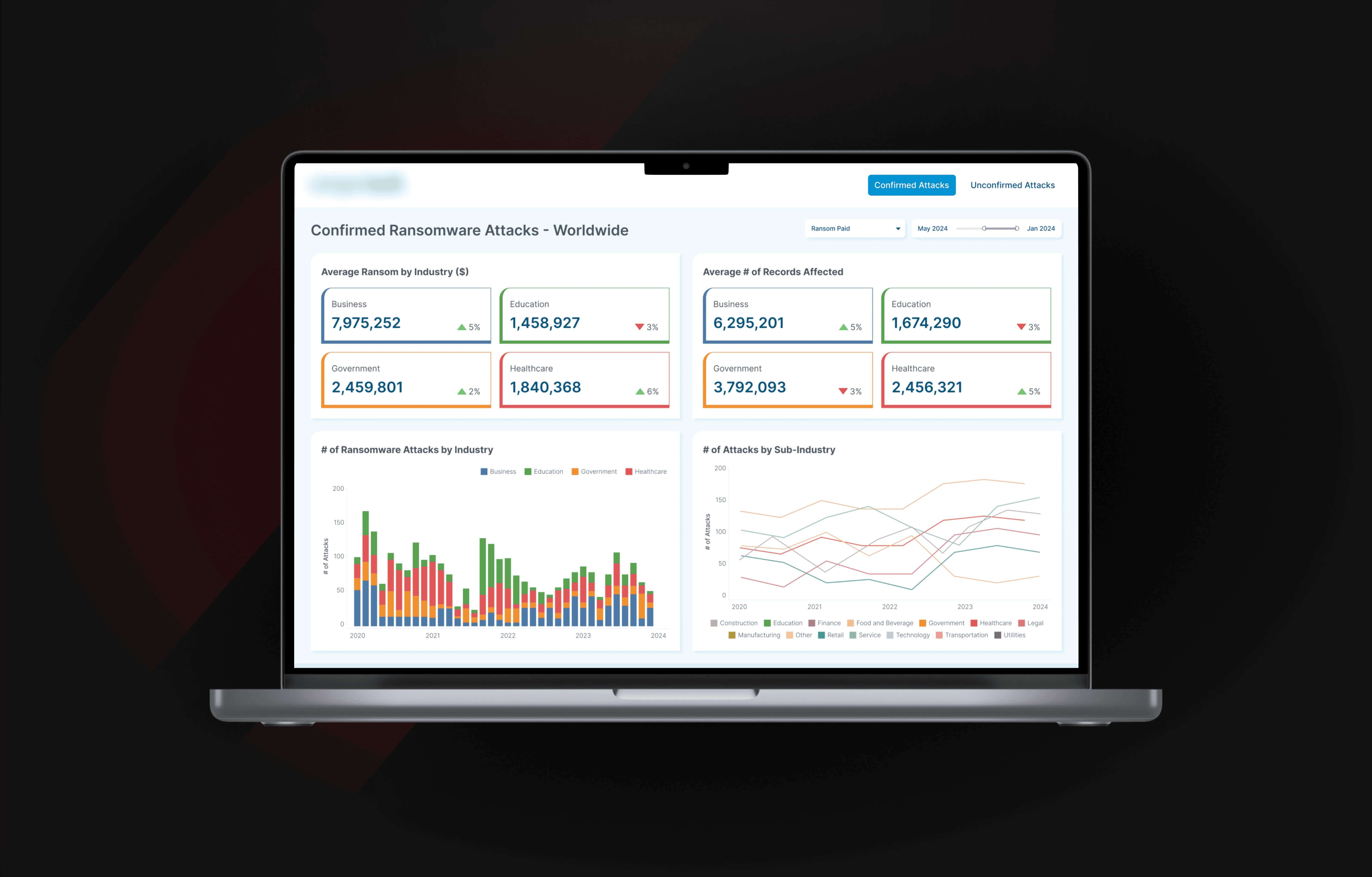
To make the interface reliable under heavy data volume, the dashboard architecture was optimized with Hyper partitioning, indexed views, and pre-aggregations. Even with datasets exceeding 500,000 records, key views were able to render in under one second.
Analysts could monitor attack counts, average ransom amounts, geographic distribution, affected industries, and time-based trends from a single interface. Drill-down filters made it easy to investigate specific regions, sectors, or incident types, while contextual tooltips and alert badges helped highlight critical activity without overwhelming the user.
Under 60 seconds of dashboard latency
70% reduction in manual triage effort
500,000+ records rendered in under one second
25% reduction in mean time to detect
5× increase in validated incident coverage
1,500+ analyst hours saved annually
The result was a faster, more reliable ransomware intelligence operation.
The final system helped the client move from fragmented manual monitoring to a real-time intelligence workflow. Analysts could detect relevant ransomware activity faster, validate incidents more consistently, and publish insights with greater confidence.
By automating ingestion, improving classification accuracy, and making threat data easier to explore, the dashboard strengthened the client’s role as a trusted cybersecurity intelligence source.
The real value was not only in visualizing ransomware data, but in helping analysts move from raw signals to actionable intelligence faster.
More works.
" height="56.88933297932206px" id="iGKvyhO65" transform="translate(3.555 3.555)" width="56.88888905956139px"/></g></svg>)
Real-Time Ransomware Monitoring
Real-Time Ransomware Monitoring Dashboard
Helping the UK-based cybersecurity research organization deliver continuous, high-performance ransomware insights that accelerate threat response and strengthen situational awareness.
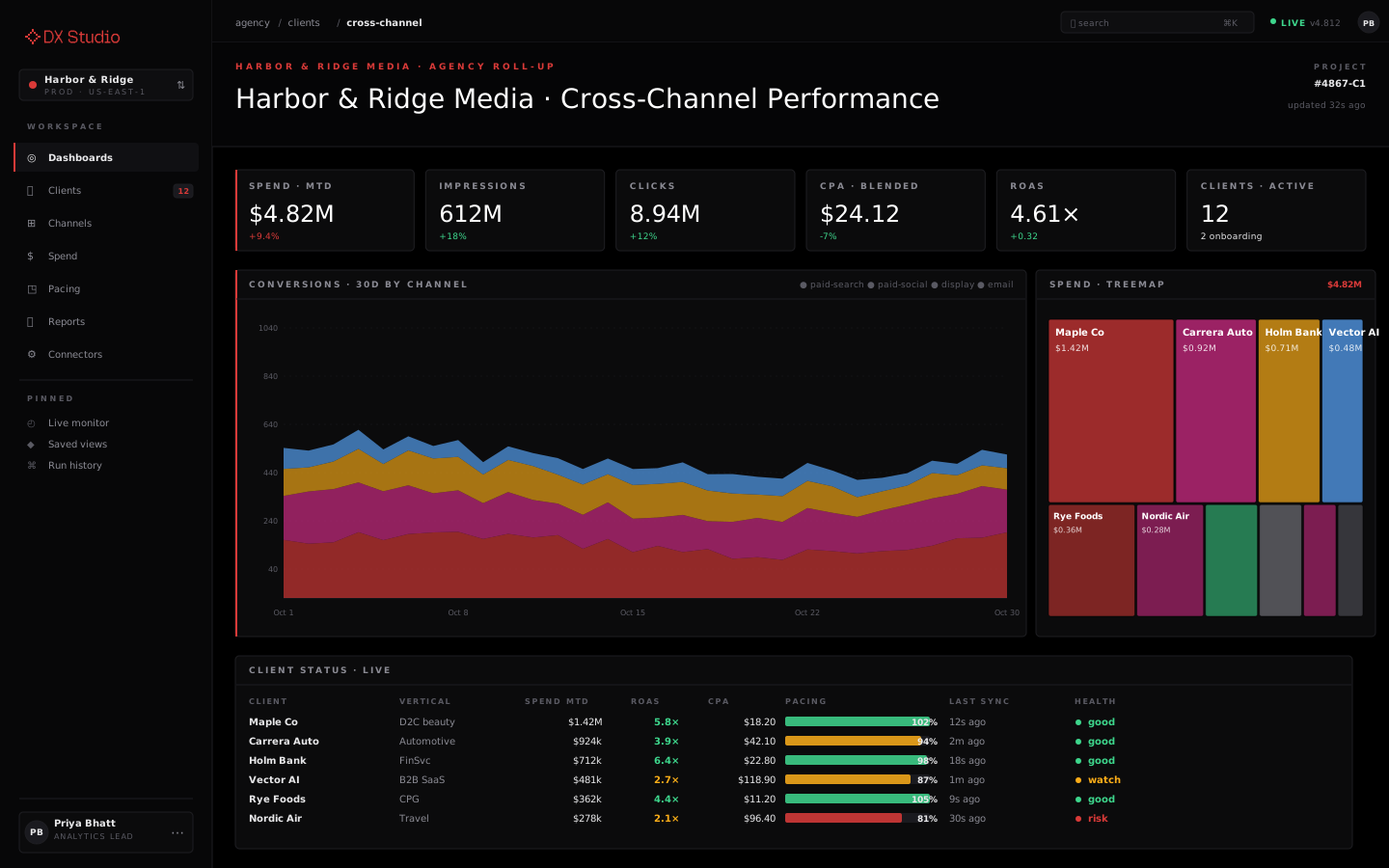
Marketing Data Dashboard
Marketing Data Dashboard for Scalable Growth
A centralized Looker Studio dashboard that consolidates multi-channel marketing data, automates reporting, and enhances real-time decision-making for a global professional services firm.
Digital Marketing Analytics
Digital Marketing Analytics Dashboard
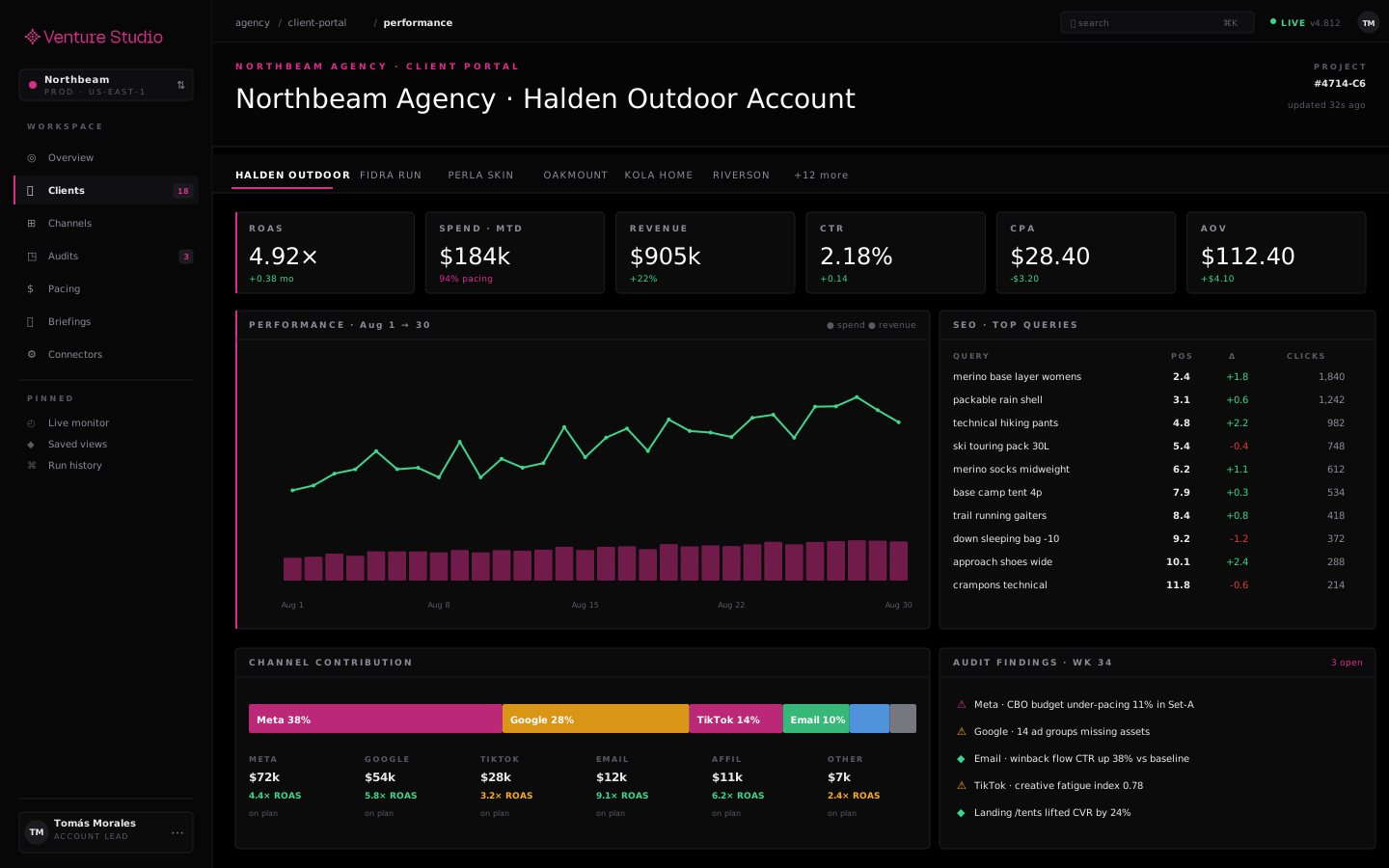
Helping a US-based Global Digital Marketing Agency simplify and scale client reporting by unifying marketing performance data into a single, real-time analytics platform.