FitTrack - Fitness & Wellness Mobile App
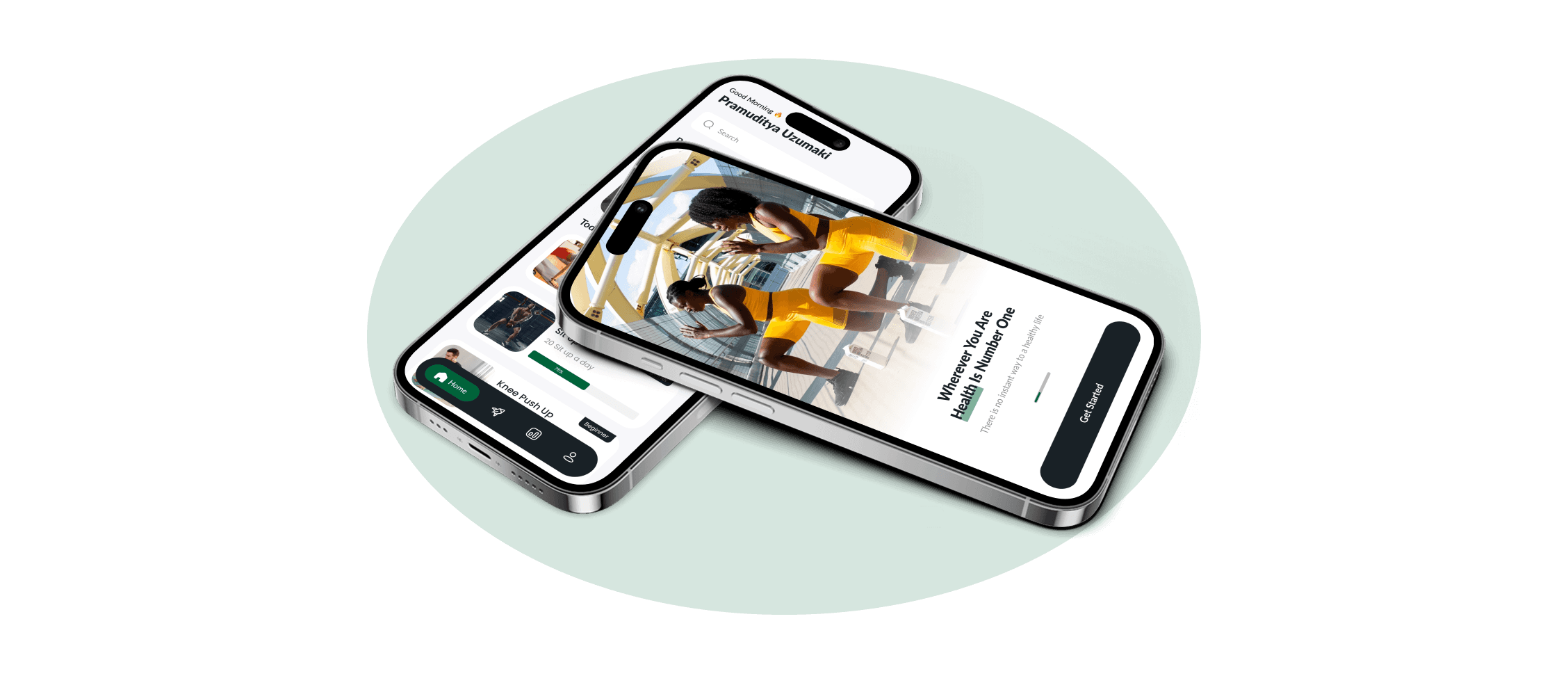
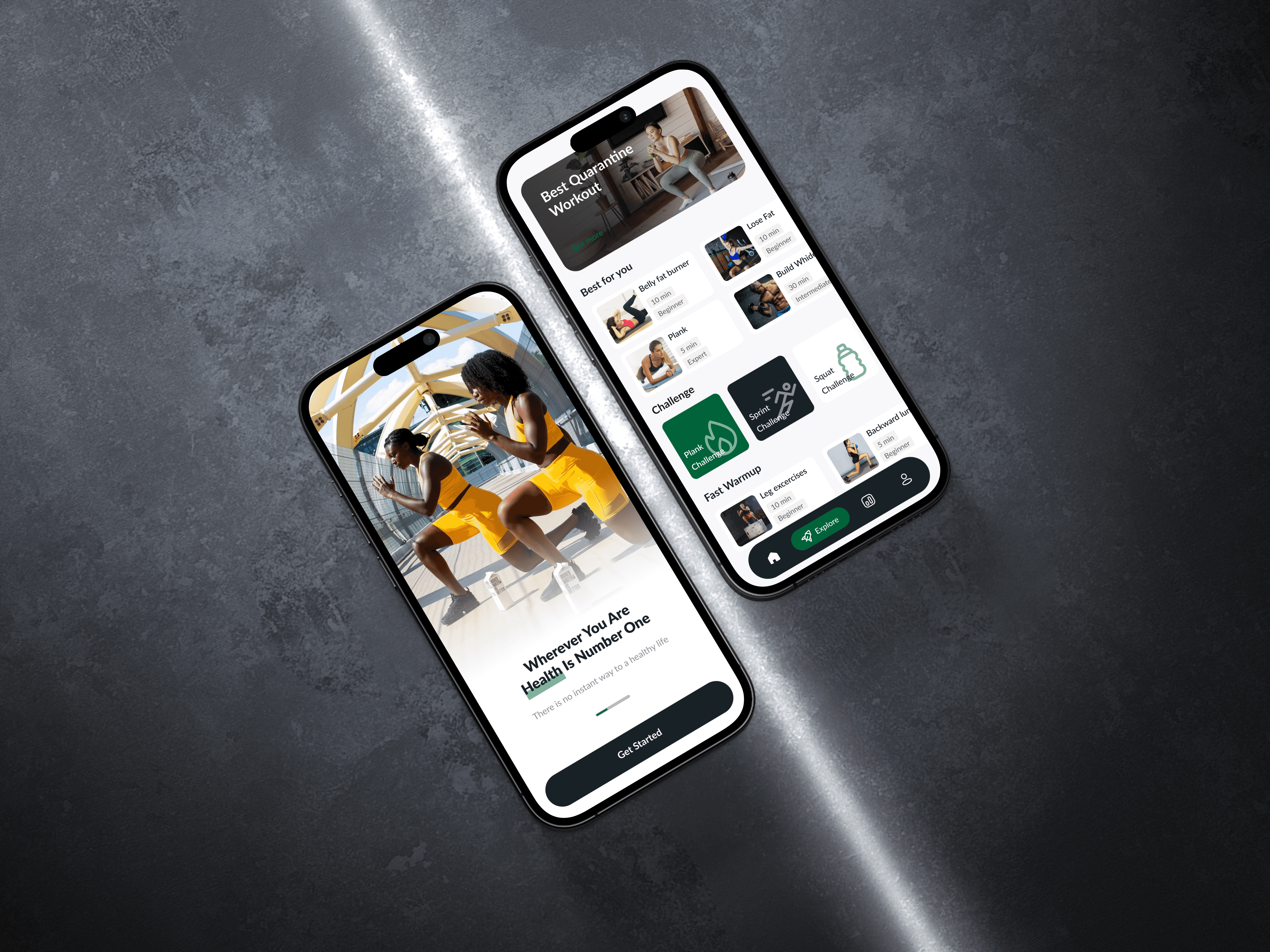
Wellness isn’t one-size-fits-all. This app helps users build better habits with Google Fit integration and real-time syncing—supporting mindful progress without the pressure.
Client: Vero Labs Inc.
Duration: 6 weeks
Completed: October 18, 2024
“We weren’t just building a fitness app—we were trying to create a daily rhythm for users. Something that fits into their life without interrupting it.”
— Etka Serhan Uslu, COO
This project showed how powerful it can be when technology supports people quietly, without demanding attention. Fitness isn’t about perfection—it’s about consistency. And our goal was to make that consistency feel natural. The early results spoke for themselves: users checked in more often, set more achievable goals, and started seeing their own progress—not through numbers alone, but through behavior change.
Creative сhallenges
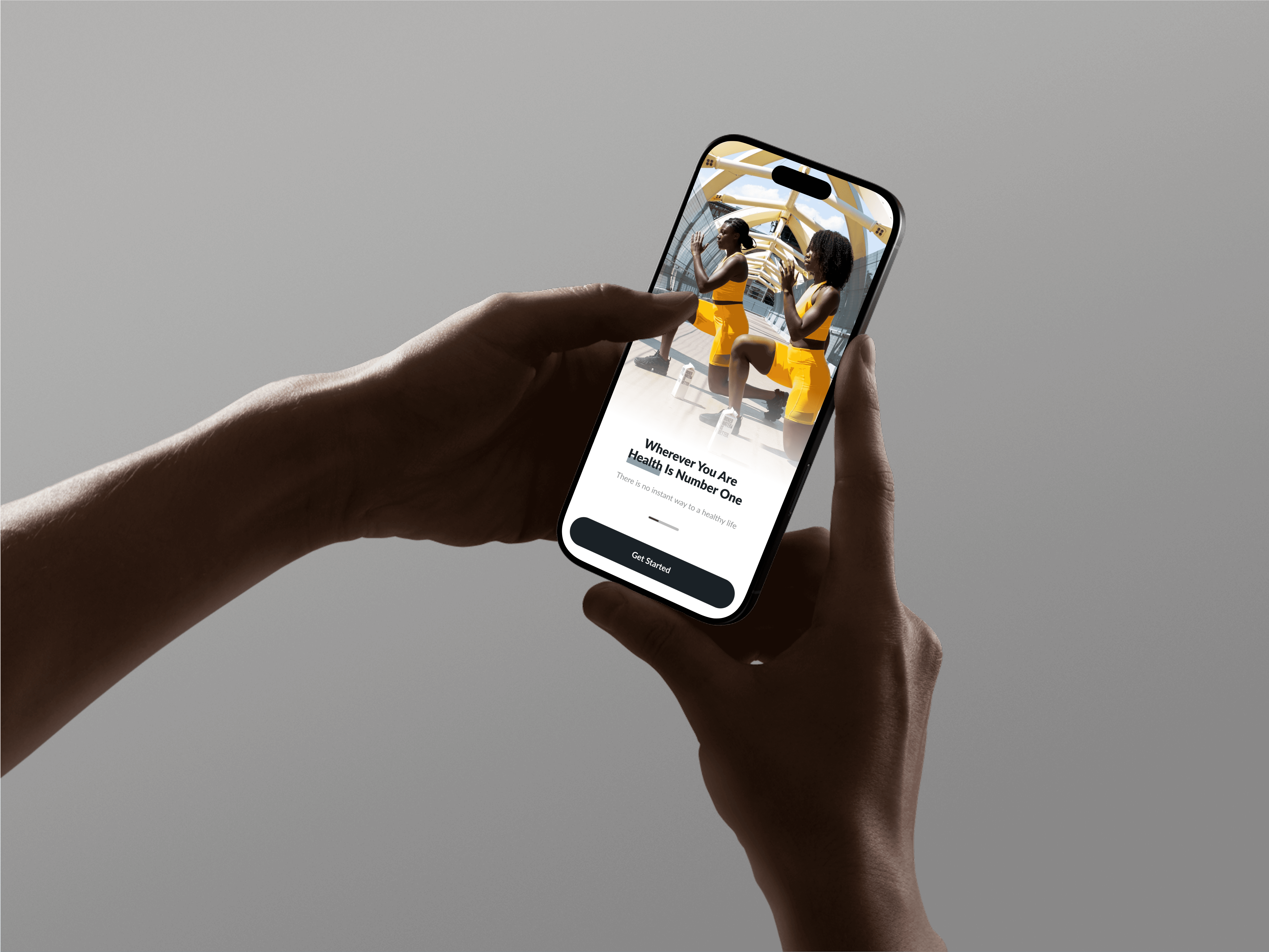
A major challenge was designing for movement. We had to ensure the app worked just as well during a jog as it did from the couch. From swipe-friendly screens to real-time feedback, everything was tailored to quick, one-handed use. We tested flow under low-connectivity scenarios too—so users wouldn’t lose progress even when offline.
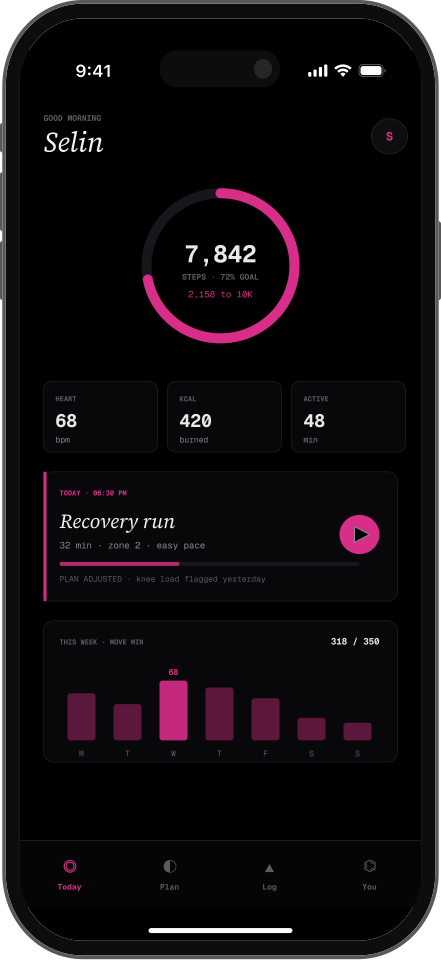
The integration with Google Fit added another layer of complexity. Pulling in real-time data like steps, heart rate, and calories burned meant syncing with a constantly changing stream of metrics. We mapped that data into a user dashboard that updated instantly—but still felt calm and digestible.

User experience focus
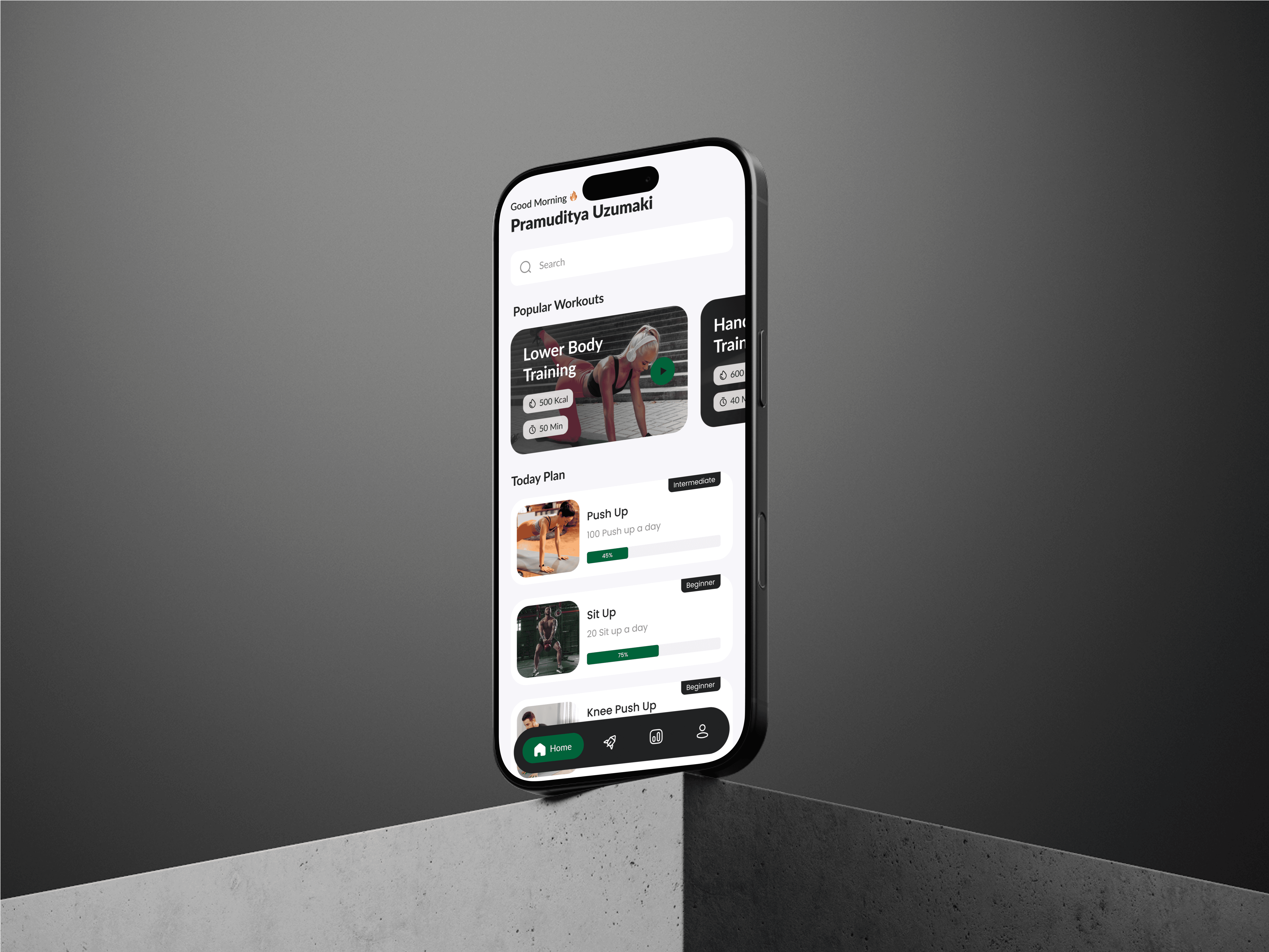
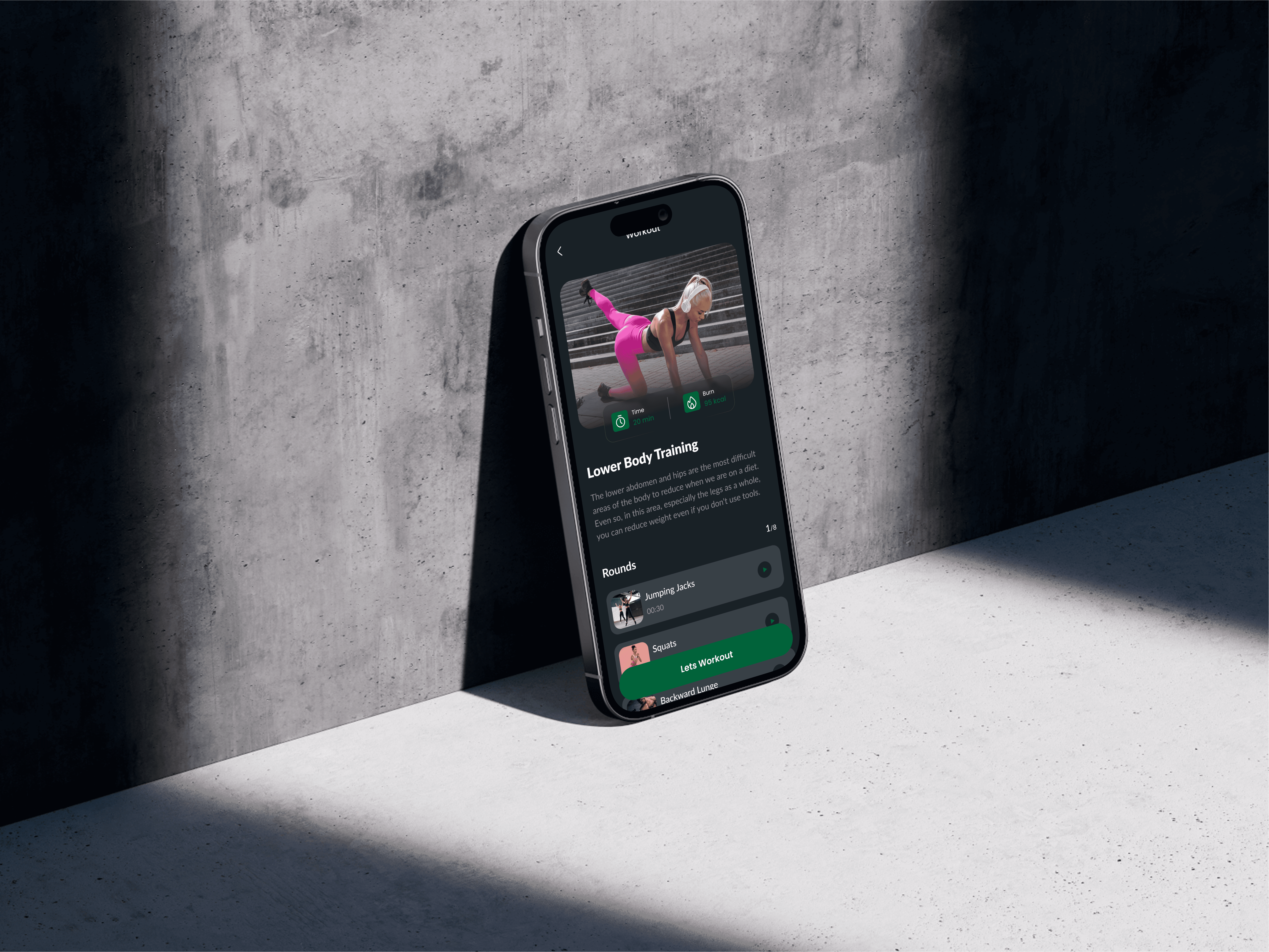
One of the subtler challenges was balancing motivation with mental ease. In the fitness world, apps often push too hard—becoming just another voice shouting at the user. We chose a different approach. The interface was designed to be calm, spacious, and focused—less like a coach, more like a companion. It gave users room to breathe while still encouraging them to keep moving.
We also built in personalized pacing. Not every user starts from the same baseline, and the app needed to recognize that. Whether someone was recovering from injury or training for a marathon, their dashboard adjusted to meet them where they were. That sense of personalization helped users stay engaged without pressure—just progress.
More works.
" height="14.222232076856812px" id="MVwvIWkaW" transform="translate(21.333 28.444)" width="21.333339903089836px"/><path d="M 1.422 7.111 C 0.637 7.111 0 6.474 0 5.689 L 0 1.422 C 0 0.637 0.637 0 1.422 0 L 5.689 0 C 6.474 0 7.111 0.637 7.111 1.422 L 7.111 5.689 C 7.111 6.474 6.474 7.111 5.689 7.111 Z" fill="rgb(217, 45, 138)" height="7.111111111111086px" id="ySDQzQwB8" transform="translate(28.444 28.444)" width="7.111111111111313px"/><path d="M 32 17.778 L 32 19.911 C 32 20.696 31.363 21.333 30.578 21.333 L 26.311 21.333 C 25.526 21.333 24.889 20.696 24.889 19.911 L 24.889 17.778 Z M 17.778 24.889 L 10.667 24.889 L 10.667 19.2 C 10.667 18.415 11.304 17.778 12.089 17.778 L 17.778 17.778 Z M 17.778 32 L 17.778 39.111 L 12.089 39.111 C 11.304 39.111 10.667 38.474 10.667 37.689 L 10.667 32 Z M 32 10.667 L 24.889 10.667 L 24.889 1.422 C 24.889 0.637 25.526 0 26.311 0 L 30.578 0 C 31.363 0 32 0.637 32 1.422 Z M 24.889 17.778 L 17.778 17.778 L 17.778 12.089 C 17.778 11.304 18.415 10.667 19.2 10.667 L 24.889 10.667 Z M 24.889 46.222 L 32 46.222 L 32 55.467 C 32 56.252 31.363 56.889 30.578 56.889 L 26.311 56.889 C 25.526 56.889 24.889 56.252 24.889 55.467 Z M 32 17.778 L 32 10.667 L 37.689 10.667 C 38.474 10.667 39.111 11.304 39.111 12.089 L 39.111 17.778 Z M 32 39.111 L 39.111 39.111 L 39.111 44.8 C 39.111 45.585 38.474 46.222 37.689 46.222 L 32 46.222 Z M 56.889 26.311 L 56.889 30.578 C 56.889 31.363 56.252 32 55.467 32 L 46.222 32 L 46.222 24.889 L 55.467 24.889 C 56.252 24.889 56.889 25.526 56.889 26.311 Z M 24.889 39.111 L 24.889 46.222 L 19.2 46.222 C 18.415 46.222 17.778 45.585 17.778 44.8 L 17.778 39.111 Z M 10.667 24.889 L 10.667 32 L 1.422 32 C 0.637 32 0 31.363 0 30.578 L 0 26.311 C 0 25.526 0.637 24.889 1.422 24.889 Z M 39.111 32 L 46.222 32 L 46.222 37.689 C 46.222 38.474 45.585 39.111 44.8 39.111 L 39.111 39.111 Z M 39.111 24.889 L 39.111 17.778 L 44.8 17.778 C 45.585 17.778 46.222 18.415 46.222 19.2 L 46.222 24.889 Z" fill="rgb(217, 45, 138)" height="56.88889185587561px" id="rd1TZRx6X" transform="translate(3.556 3.556)" width="56.8888918558755px"/></g></svg>)
FitTrack – Fitness & Wellness Mobile App
This app helps users build better habits with Google Fit integration and real-time syncing.

Briefio AI
AI Academic Research Platform
A mobile-first academic research platform that turns dense research papers into concise summaries and audio-based insights for easier learning on the go.
TradeFrogs - Gaming Marketplace Platform
Gaming Marketplace
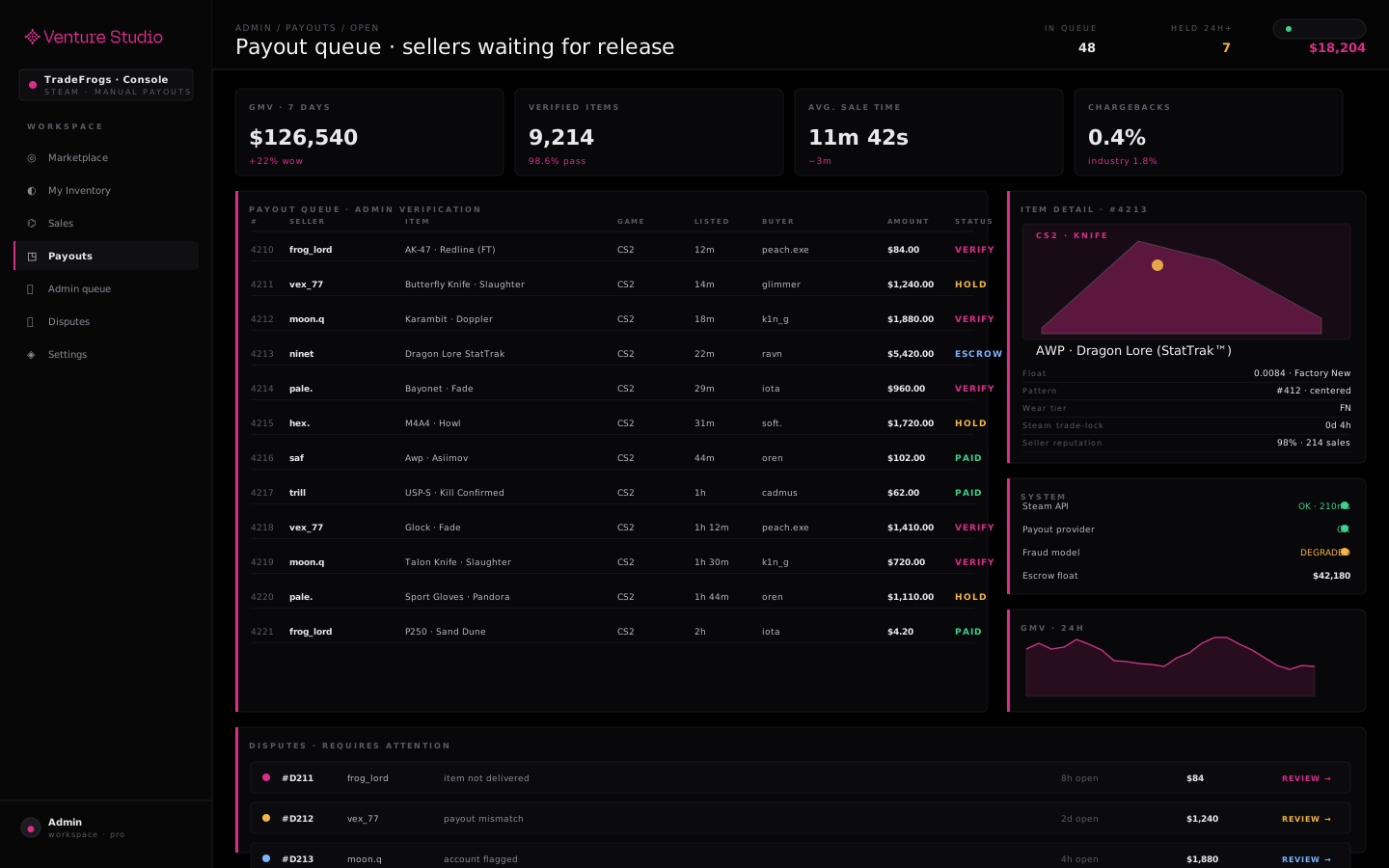
TradeFrogs is a Steam-integrated marketplace for buying, selling, and cashing out in-game items. The MVP delivers secure, manually verified transactions, an admin-controlled workflow, and a scalable foundation.