
Helping a global credit reporting and risk analytics firm replace scattered Excel reports with an interactive Power BI dashboard for clearer marketing performance, workforce planning, and resource allocation.
The client is a US-based global consumer credit reporting agency serving millions of customers across more than 30 countries. In Johannesburg, their marketing team was managing campaign performance and workforce assignments through manual Excel analyses and fragmented Smartsheet trackers. As data volume increased and marketing operations became more complex, this setup made it harder to maintain reporting accuracy, understand campaign performance, and allocate team capacity with confidence.
Leadership needed a faster way to connect marketing results with workforce distribution. Instead of waiting for manual reporting cycles, they wanted a live analytics platform that could show how campaigns were performing, where resources were being used, and which decisions needed attention.
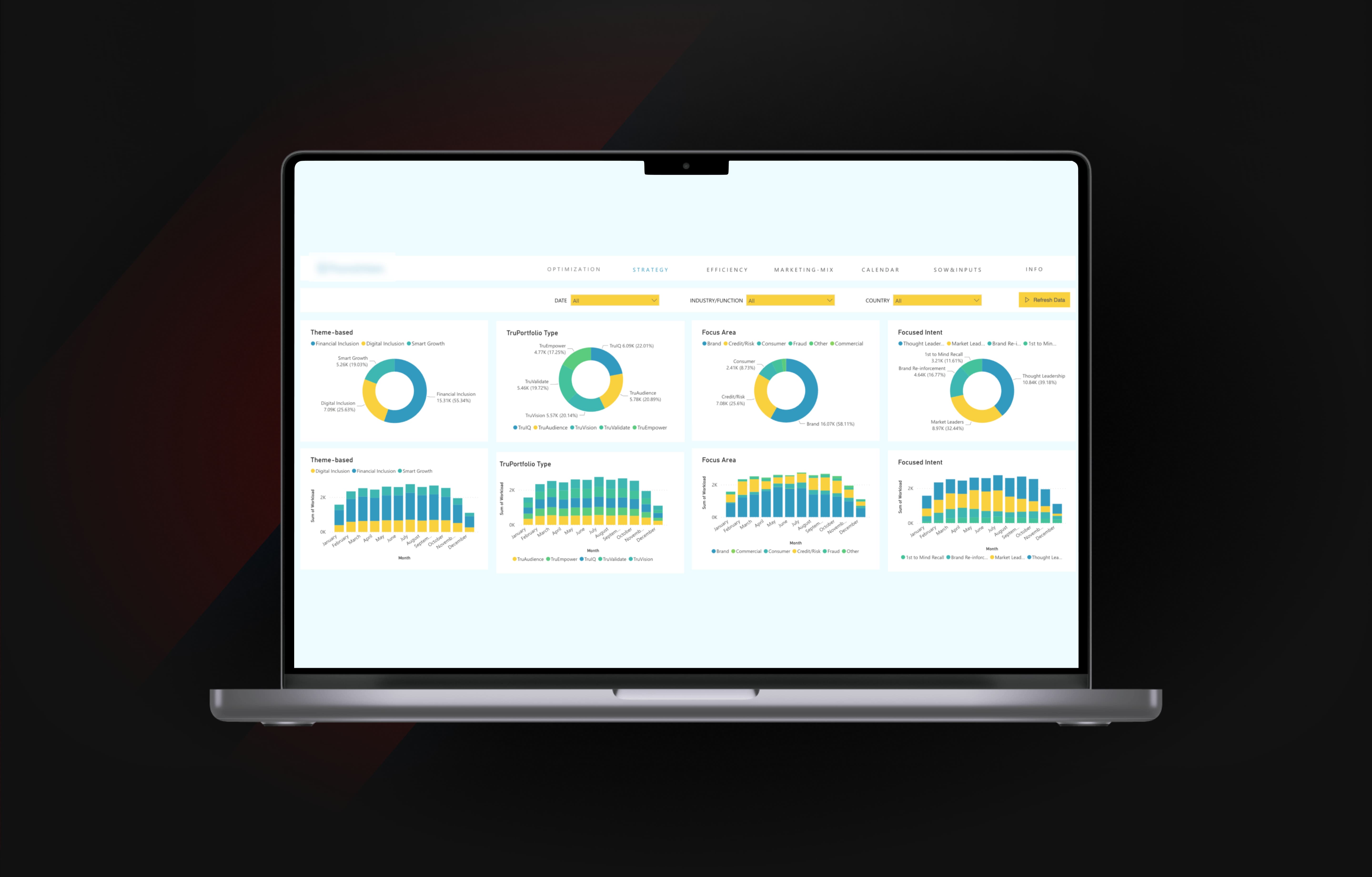
The challenge was fragmented reporting and limited confidence in the numbers.
Marketing metrics were spread across Excel files and Smartsheet lists, forcing managers to spend hours each week compiling, cleaning, and reconciling data. This process slowed down reporting and introduced version conflicts, duplicate records, and avoidable errors.
Because the team did not have one trusted source of truth, funding and staffing decisions became slower than they needed to be. Campaign performance, workforce capacity, and channel-level activity were all visible in pieces, but not connected in one decision-ready view.
The goal was to build a unified analytics dashboard that could automate data ingestion, standardize reporting, and help marketing leaders adjust campaigns and resource allocation in real time.
We built an automated Power BI dashboard connected to Smartsheet and Excel.
The solution started with a Power Query-driven ETL process that extracted, transformed, and loaded Smartsheet and Excel data into Power BI. This removed the need for manual imports and created a consistent data foundation for both campaign performance and workforce analysis.
Historical Excel reports were first migrated into Smartsheet, then linked into the Power BI model as part of a consolidated dataset. This helped eliminate duplicate worksheets, reduce reporting inconsistencies, and create a more reliable operating layer for the marketing team.
The dashboard turned campaign and workforce data into live operational insight.
A custom Power BI interface was designed with live campaign metrics, workforce distribution charts, and drill-down filters by channel, region, and timeframe. Marketing leaders could move from high-level performance views into more detailed analysis without rebuilding reports manually.
The platform also included dynamic reporting and one-click exports for presentation-ready visuals. This shifted internal meetings away from data preparation and toward strategy, budget decisions, A/B testing, and team capacity planning.
Integrated Smartsheet and Excel data into one Power BI platform
Built a Power Query-based ETL process for automated data refresh
Created live campaign, channel, region, and workforce distribution views
Eliminated more than 1,500 manual reporting hours annually
Saved approximately $60K in annual staffing and contractor costs
Increased campaign ROI by 35%
Reduced the monthly reporting cycle from five days to under two
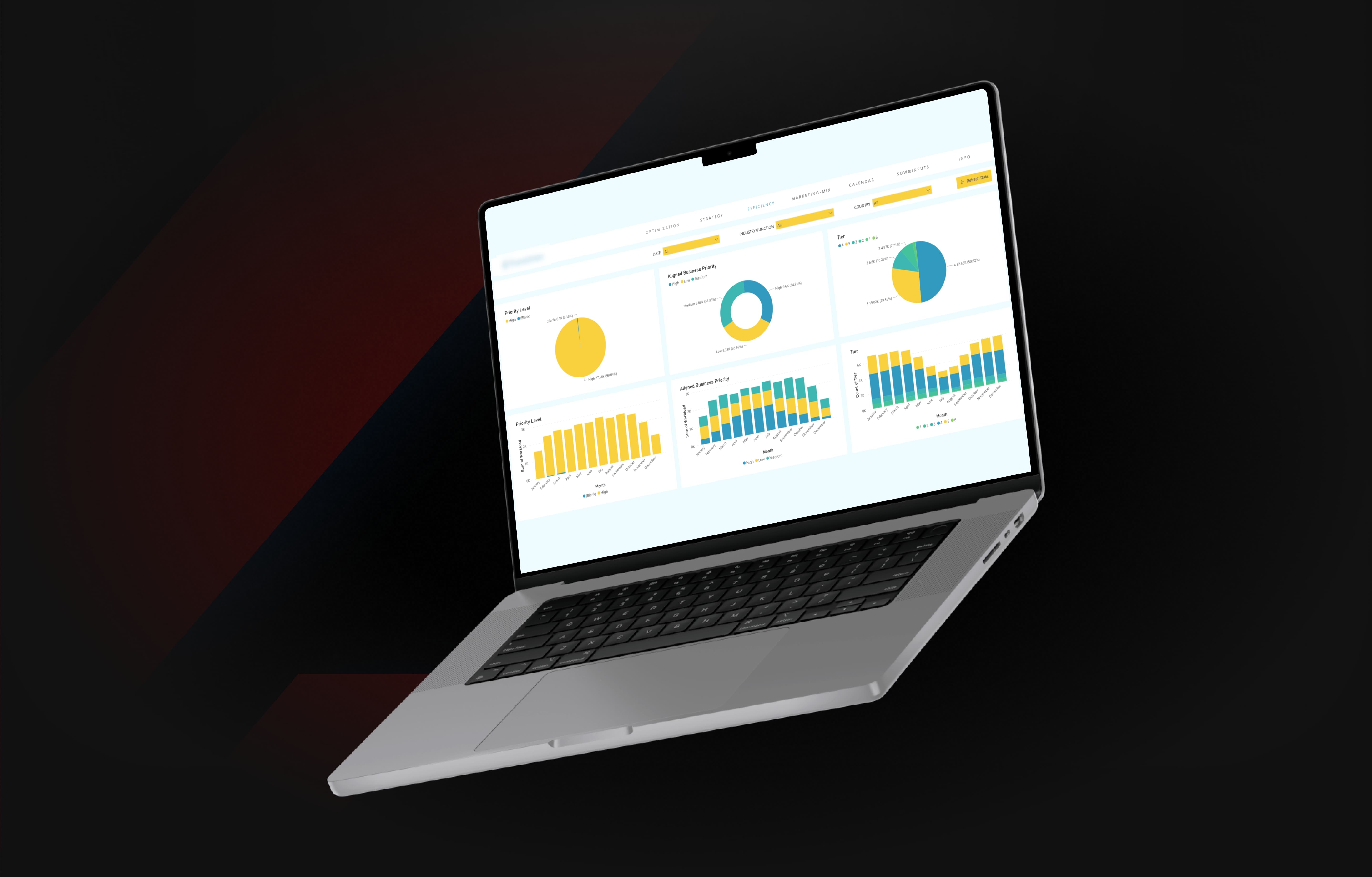
The result was a faster and more confident marketing operating model.
The final dashboard helped the client move from spreadsheet-heavy reporting to a centralized marketing and workforce intelligence platform. Teams could monitor campaign performance, understand resource allocation, and prepare leadership-ready reports with less effort and greater accuracy.
By consolidating fragmented data into one live Power BI environment, the firm gained a clearer view of marketing performance and team capacity, enabling faster decisions, tighter budget control, and more scalable growth planning.
The value of the dashboard was not only in automating reports, but in helping marketing leaders connect performance, capacity, and budget decisions from one trusted view.
More works.

" height="56.88889185587561px" id="STzxULXmg" transform="translate(3.556 3.556)" width="56.8888918558755px"/></g></svg>)
Operational Efficiency Enhancement
Operational Efficiency Enhancement Dashboard
Helping a US-based, youth development nonprofit organization, streamline reporting and enhance operational efficiency with real-time dashboards that automate workflows and improve decision-making.
Interactive Sales Intelligence
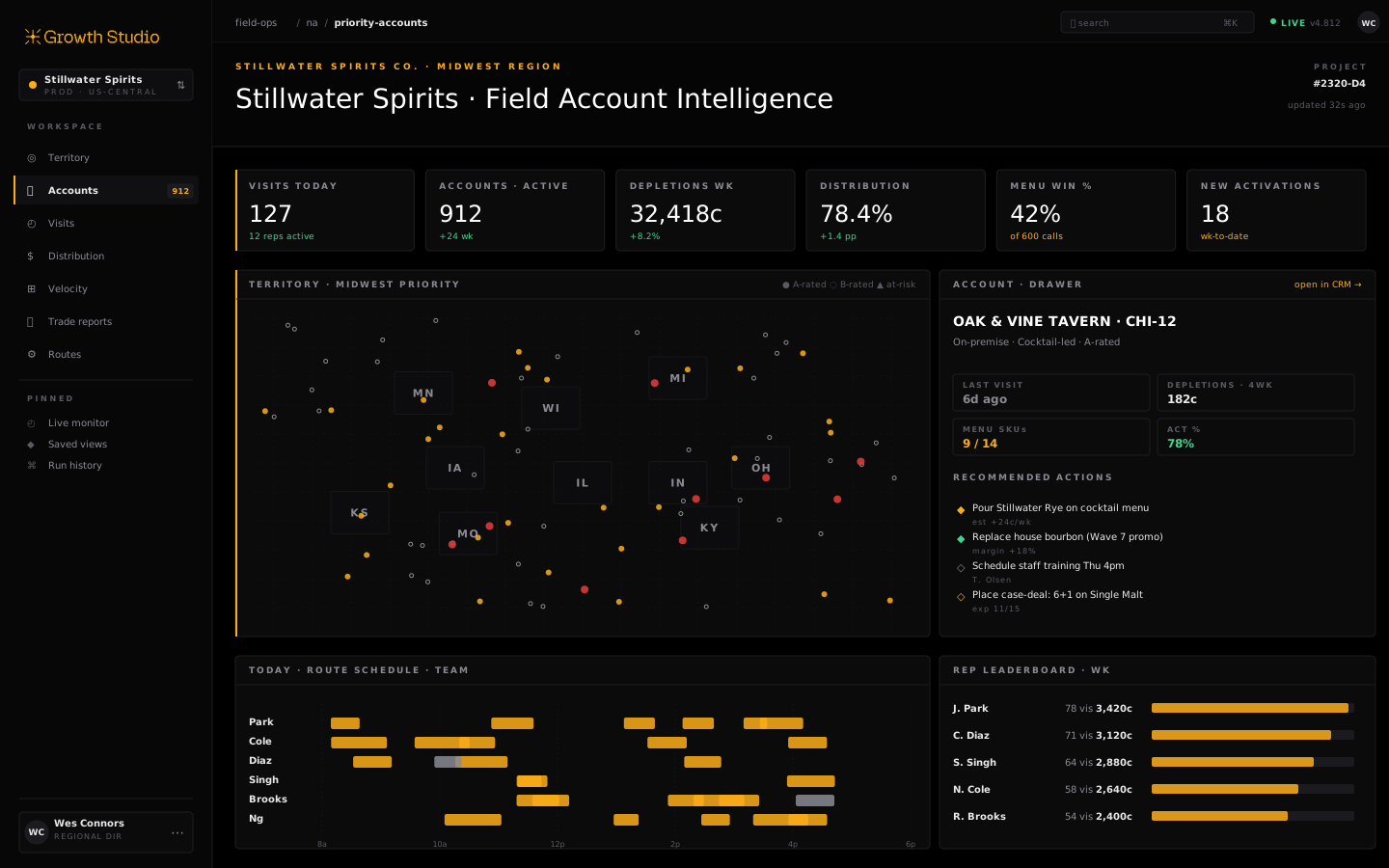
Interactive Sales Intelligence Dashboard
Transforming a US-Based, Global Premium Spirits Company’s sales operations with precision targeting and mobile-first insights. By combining internal data with real-world restaurant insight.
AI-Driven Financial Insights Platform for SMEs
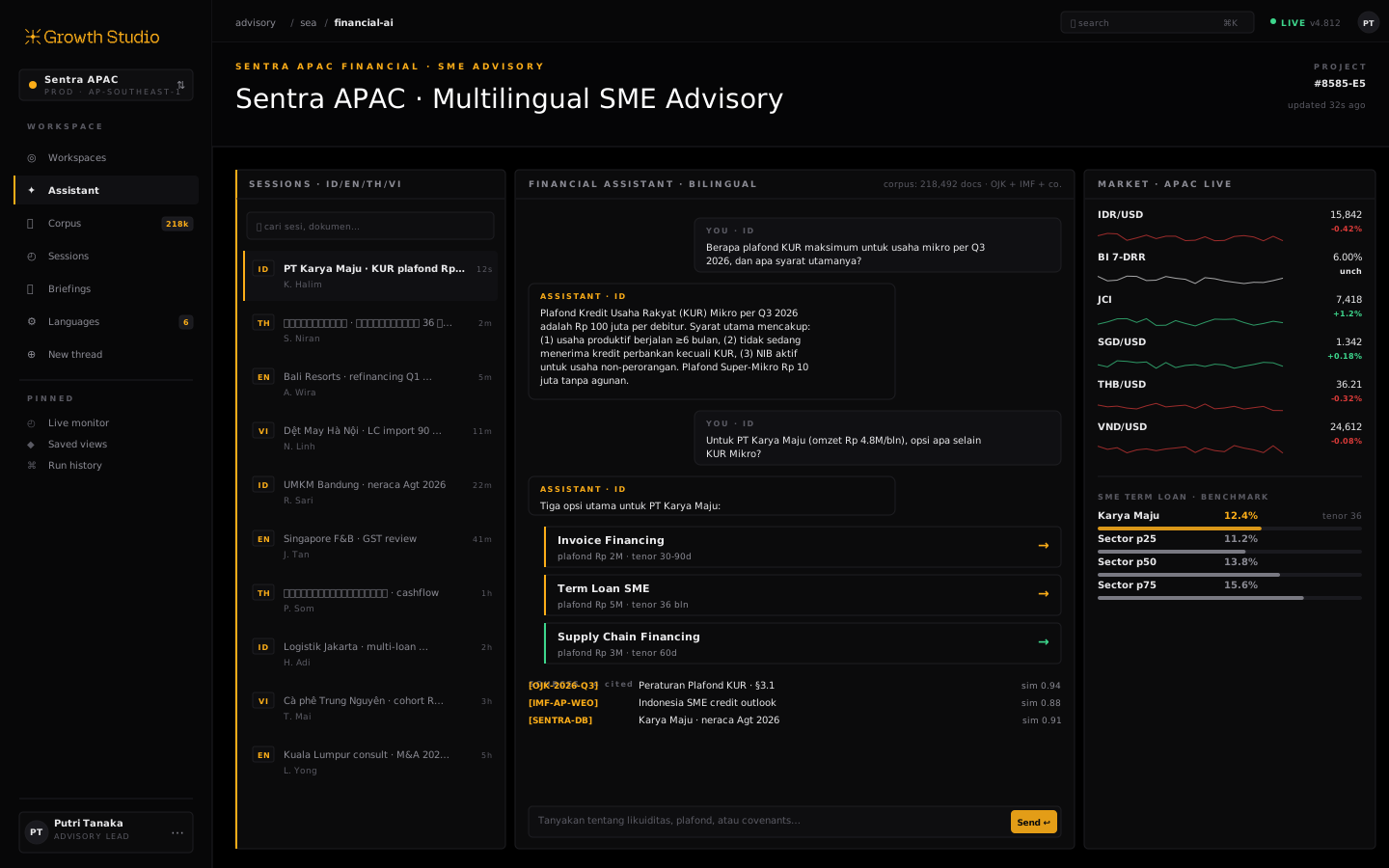
AI-Driven Financial Insights Platform for SMEs
A multilingual, AI-powered financial intelligence platform that centralizes data, enables instant insights, and empowers Southeast Asian SMEs to make confident, data-driven decisions.