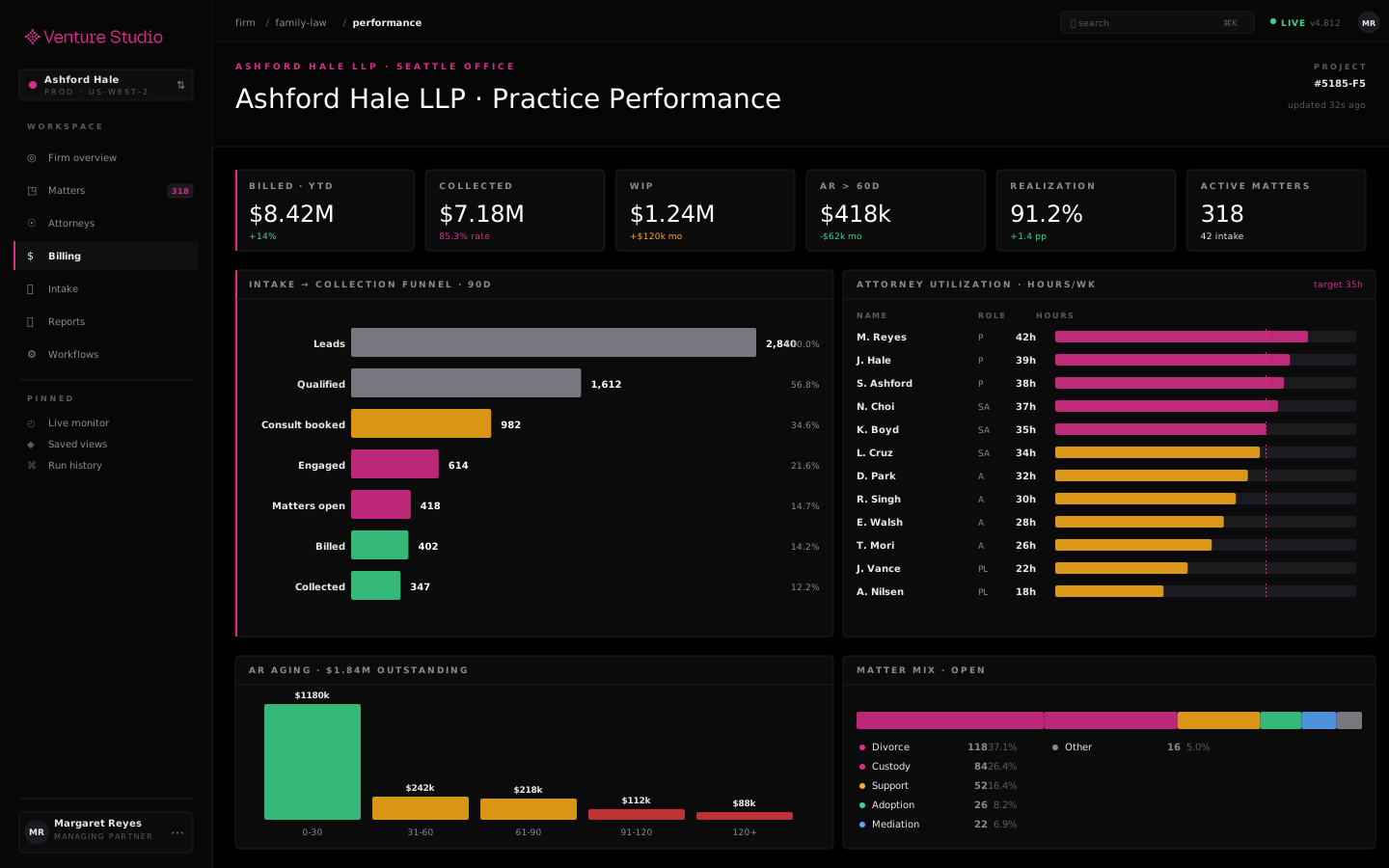
Helping a Seattle-based family law firm centralize CRM, case management, and accounting data into a Power BI analytics dashboard for clearer operational, revenue, and attorney performance visibility.
The client is a full-service family law firm with offices across North Seattle, South Seattle, and Bellevue. With 15 attorneys and a growing client portfolio, the firm provides high-touch legal services across divorce, custody, estate planning, and protection-order cases.
As the firm expanded, leadership needed a more reliable way to understand performance across the business. Revenue tracking, client acquisition, case activity, and attorney productivity were all important to growth, but the data behind these areas lived in separate systems and required manual reporting to connect.
The challenge was fragmented legal operations data and limited real-time visibility.
Key information was spread across Lawmatics for CRM, Clio Manage for case management, and QuickBooks for accounting. Each platform supported a different part of the firm’s operations, but there was no unified analytics layer connecting the full journey from lead intake to active case work, billing, and collected revenue.
This created reporting delays, inconsistent metrics, and limited visibility into the firm’s performance pipeline. Leadership could not easily evaluate conversion efficiency, attorney workload distribution, utilization, or profitability from one trusted view. Manual data consolidation also consumed valuable staff time and increased the risk of reporting inaccuracies.
The goal was to create a centralized analytics environment that could automate reporting, improve accuracy, and help firm leadership track business performance, revenue trends, and attorney utilization in real time.
We built a unified SQL data warehouse connected to Power BI.
The solution started with a centralized SQL data warehouse integrating data from Lawmatics, Clio Manage, and QuickBooks. This created a single source of truth for firm-wide operational, financial, and performance metrics.
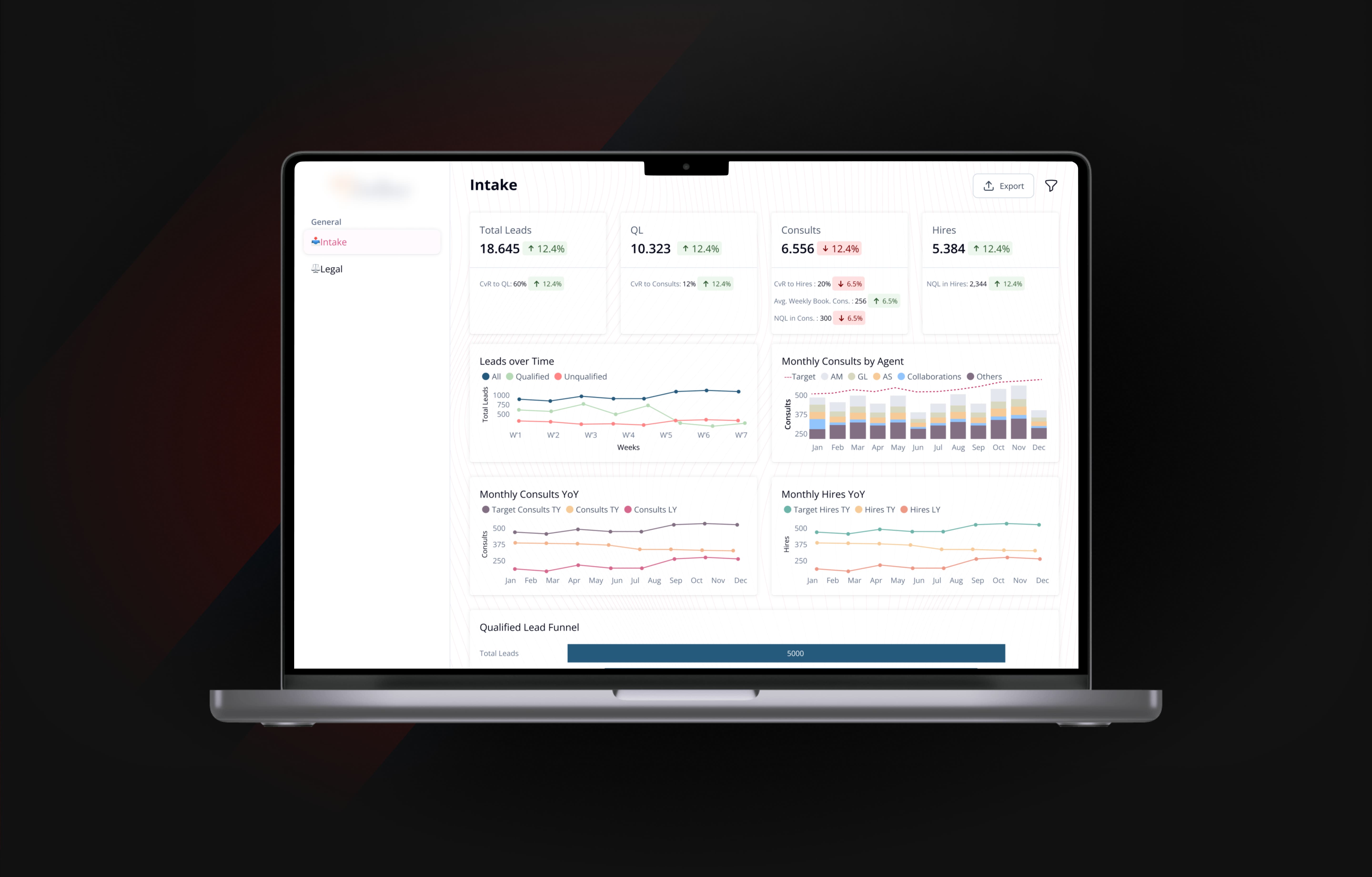
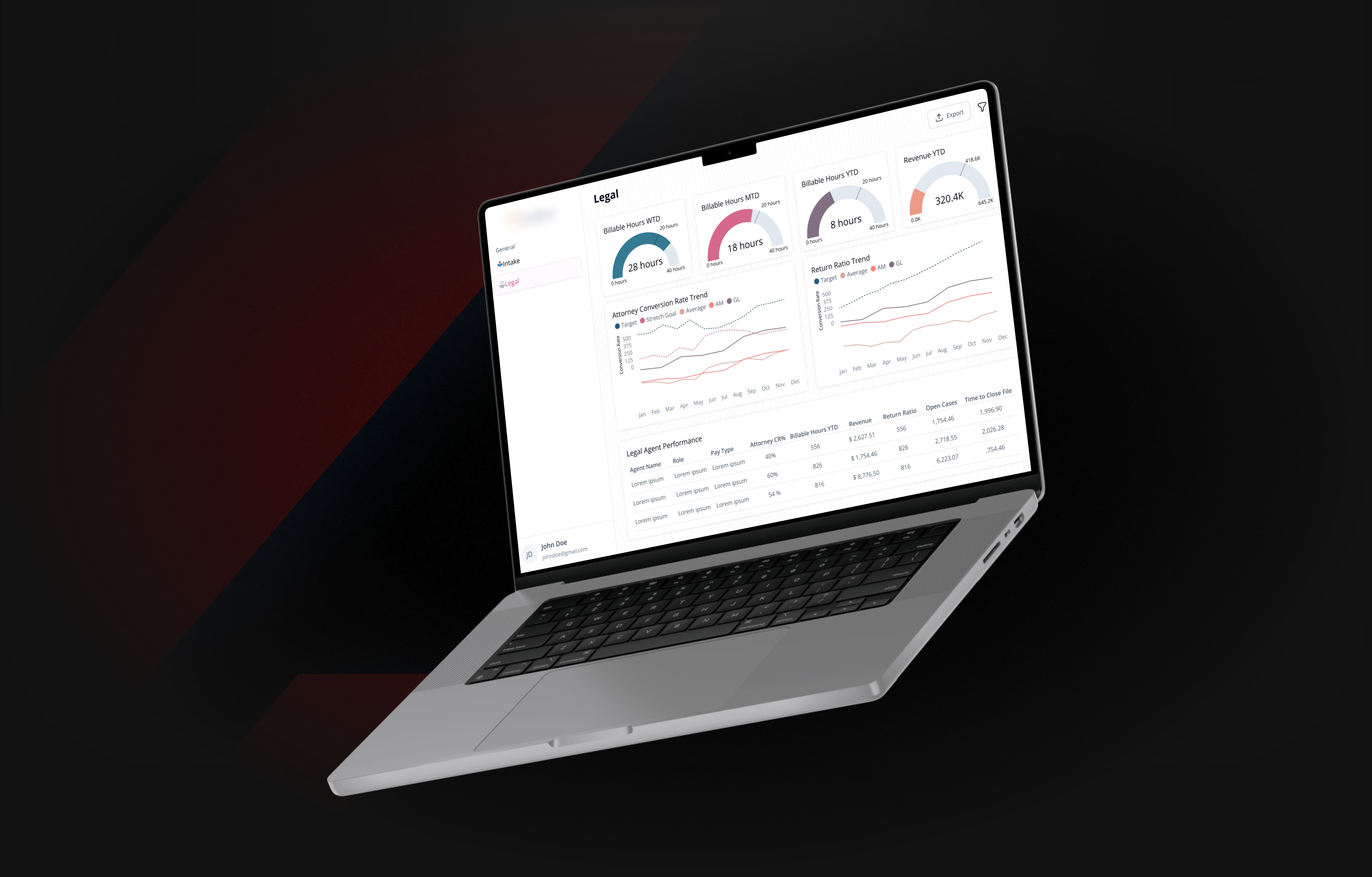
On top of this data foundation, we developed a dynamic Power BI dashboard visualizing key indicators such as client conversion rates, billable utilization, revenue flow, billed versus collected revenue, attorney workload, and practice-area performance. This gave both leadership and operations teams a clearer view of how client acquisition, case work, and financial outcomes were connected.
The platform automated reporting and enabled self-service analytics across teams.
Custom data connectors and automated pipelines were implemented to synchronize daily updates across systems. This eliminated manual export and reconciliation work, allowing the team to access updated insights without rebuilding reports every week.
The rollout also included tailored enablement for marketing, finance, and operations teams. Internal users could navigate the dashboards independently, interpret performance trends more confidently, and use the system as a continuous reporting layer rather than a one-time analytics project.
Integrated Lawmatics, Clio Manage, and QuickBooks into one analytics layer
Built a centralized SQL data warehouse for firm-wide reporting
Created Power BI dashboards for conversion, utilization, revenue, and practice-area performance
Automated daily data synchronization across core business systems
Reduced manual reporting time by 65%
Improved revenue tracking accuracy by 42%
The result was a clearer operating model for legal performance and growth.
The final dashboard helped the firm move from fragmented manual reporting to a centralized operational intelligence system. Leadership could monitor revenue trends, understand attorney utilization, identify high-performing practice areas, and forecast growth scenarios with greater confidence.
By connecting marketing, finance, and operations for the first time, the platform gave the firm a stronger foundation for strategic decision-making, operational control, and sustainable growth.
The value of the dashboard was not only in centralizing legal operations data, but in giving leadership the clarity to manage performance, revenue, and growth from one trusted view.
More works.

" height="56.88889185587561px" id="STzxULXmg" transform="translate(3.556 3.556)" width="56.8888918558755px"/></g></svg>)
Operational Efficiency Enhancement
Operational Efficiency Enhancement Dashboard
Helping a US-based, youth development nonprofit organization, streamline reporting and enhance operational efficiency with real-time dashboards that automate workflows and improve decision-making.
Interactive Sales Intelligence
Interactive Sales Intelligence Dashboard
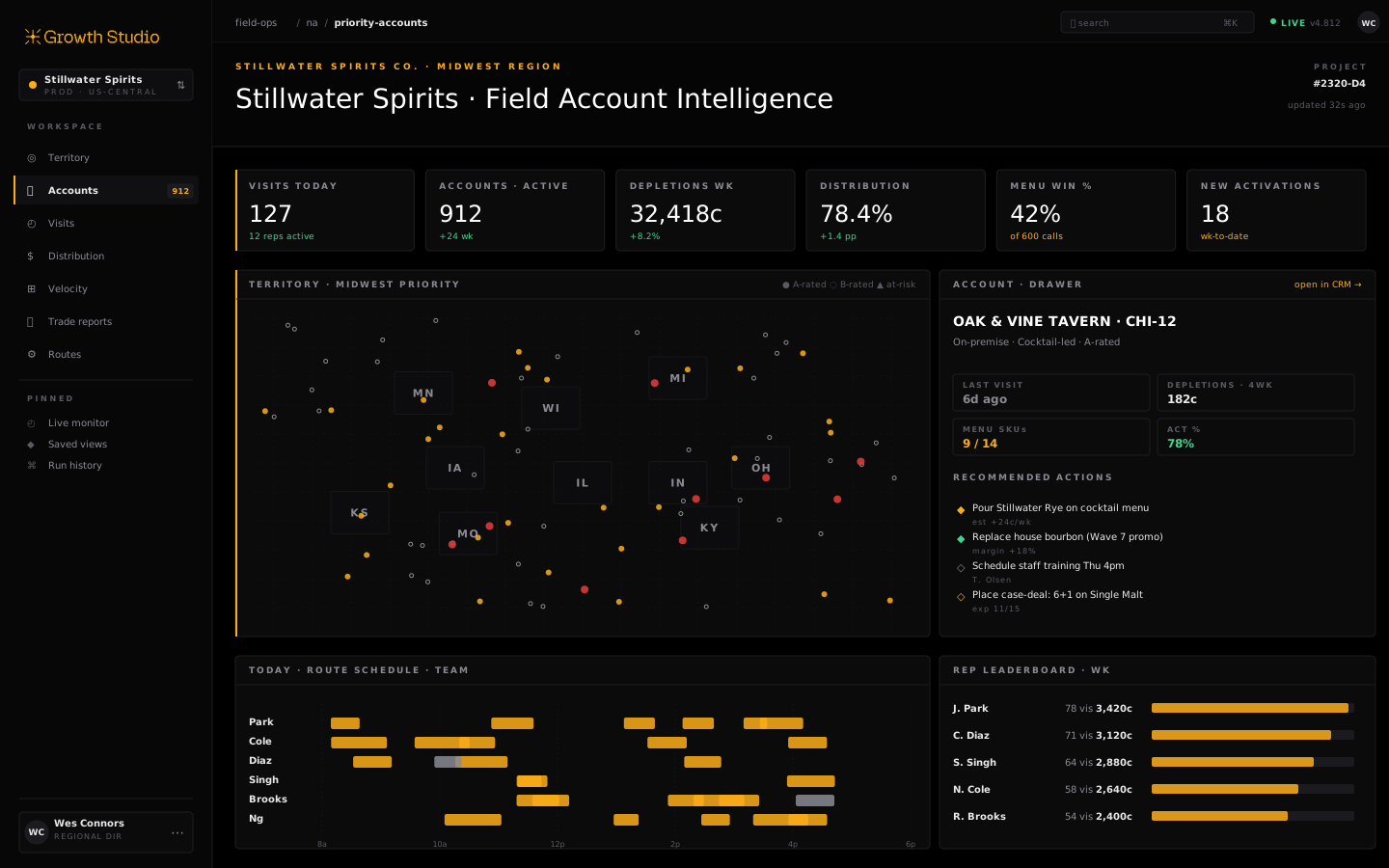
Transforming a US-Based, Global Premium Spirits Company’s sales operations with precision targeting and mobile-first insights. By combining internal data with real-world restaurant insight.
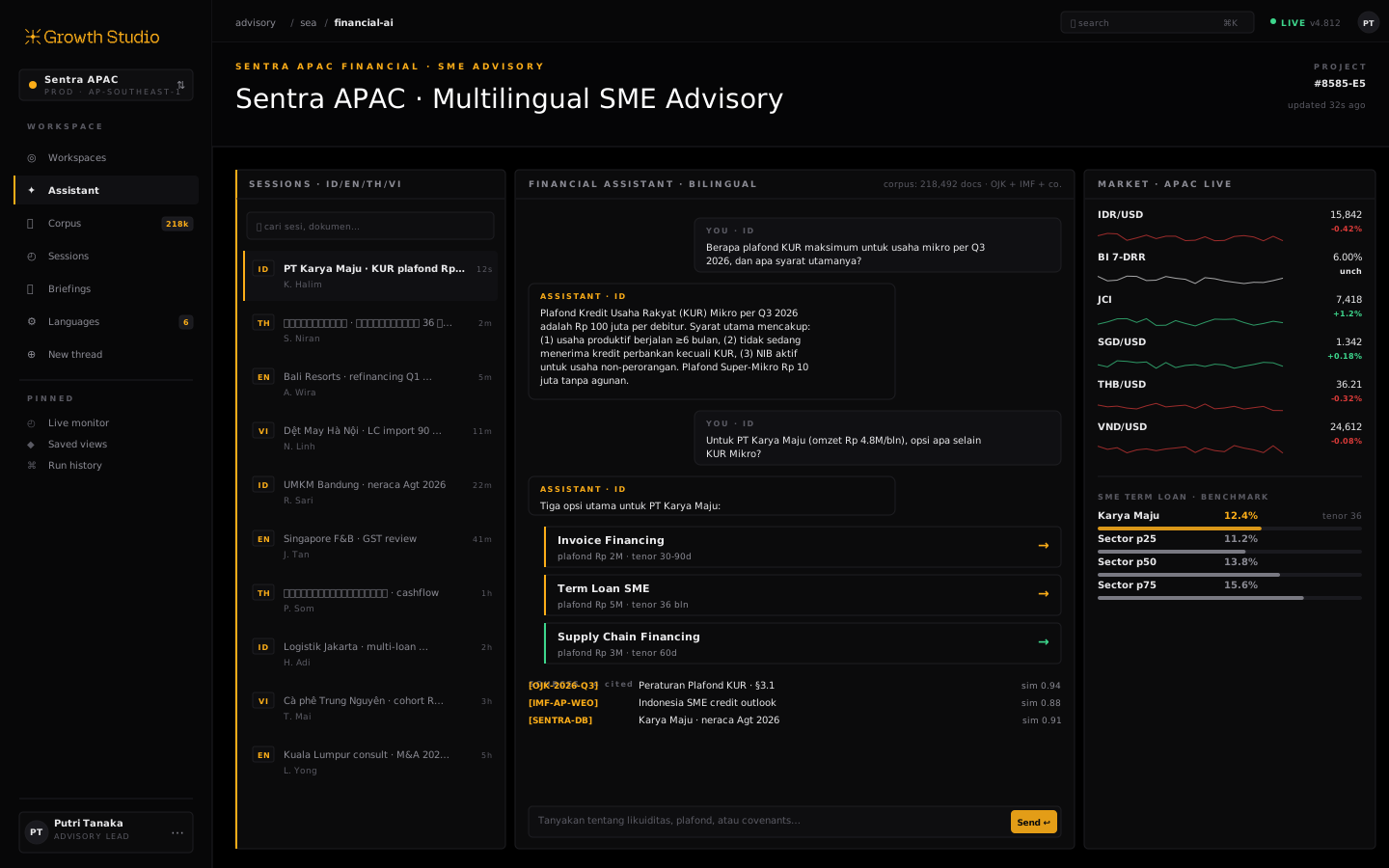
AI-Driven Financial Insights Platform for SMEs
AI-Driven Financial Insights Platform for SMEs
A multilingual, AI-powered financial intelligence platform that centralizes data, enables instant insights, and empowers Southeast Asian SMEs to make confident, data-driven decisions.