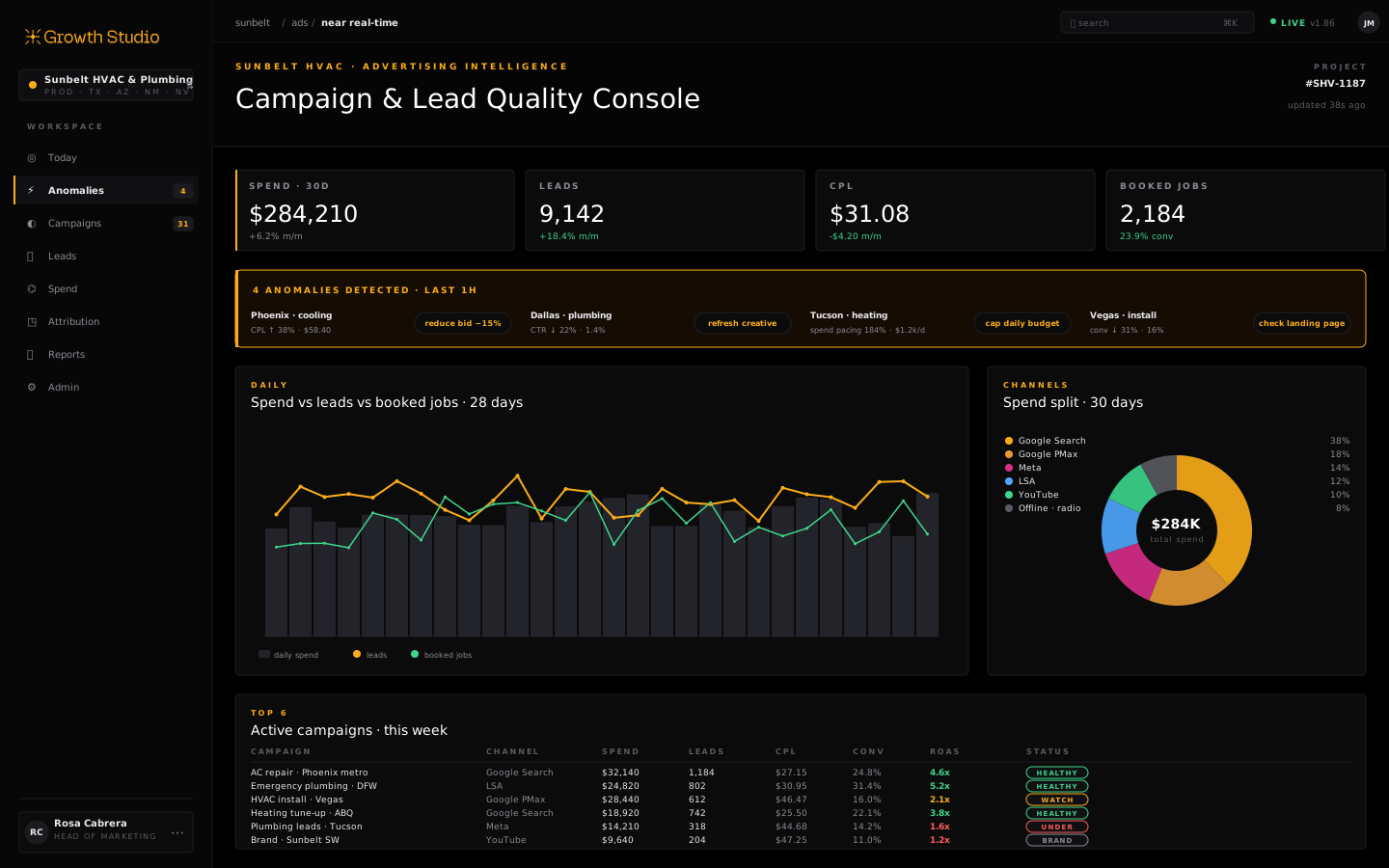
Advertising Performance Analytics Platform
Helping a US-based regional HVAC and plumbing service provider centralize advertising, CRM, and offline lead data into a real-time Power BI analytics platform for faster campaign optimization.
The client is a leading HVAC and plumbing company serving residential and commercial customers across the Southwestern United States. With more than 80 years of operational history and a growing regional footprint, the company had scaled its marketing activity across multiple states, channels, and campaign types.
As advertising spend increased, the marketing team needed a clearer way to understand performance. Google Ads, CRM records, and offline lead tracking all held important information, but each source showed only part of the picture. This made it difficult to evaluate cost efficiency, lead quality, conversion rates, and ROI from one reliable view.
The challenge was fragmented campaign data and delayed optimization decisions.
The team relied on multiple disconnected tools to monitor advertising performance. Weekly reporting required manual consolidation, spreadsheet work, and subjective interpretation before leadership could understand what was working and where spend was being wasted.
This slowed down campaign adjustments during peak advertising cycles. By the time reports were prepared, the data could already be outdated, limiting the team’s ability to respond quickly to rising cost-per-lead, underperforming campaigns, or changing conversion patterns.
The goal was to create a scalable advertising intelligence platform that could unify campaign, CRM, and offline lead data while giving marketing and leadership teams near real-time visibility into performance.
We built an automated Google Ads, CRM, and Power BI reporting layer.
The solution started with an automated data pipeline connecting Google Ads, CRM systems, and offline lead sources into a centralized Power BI environment. This gave the team one consistent analytics layer for campaign performance, lead quality, and ROI tracking.
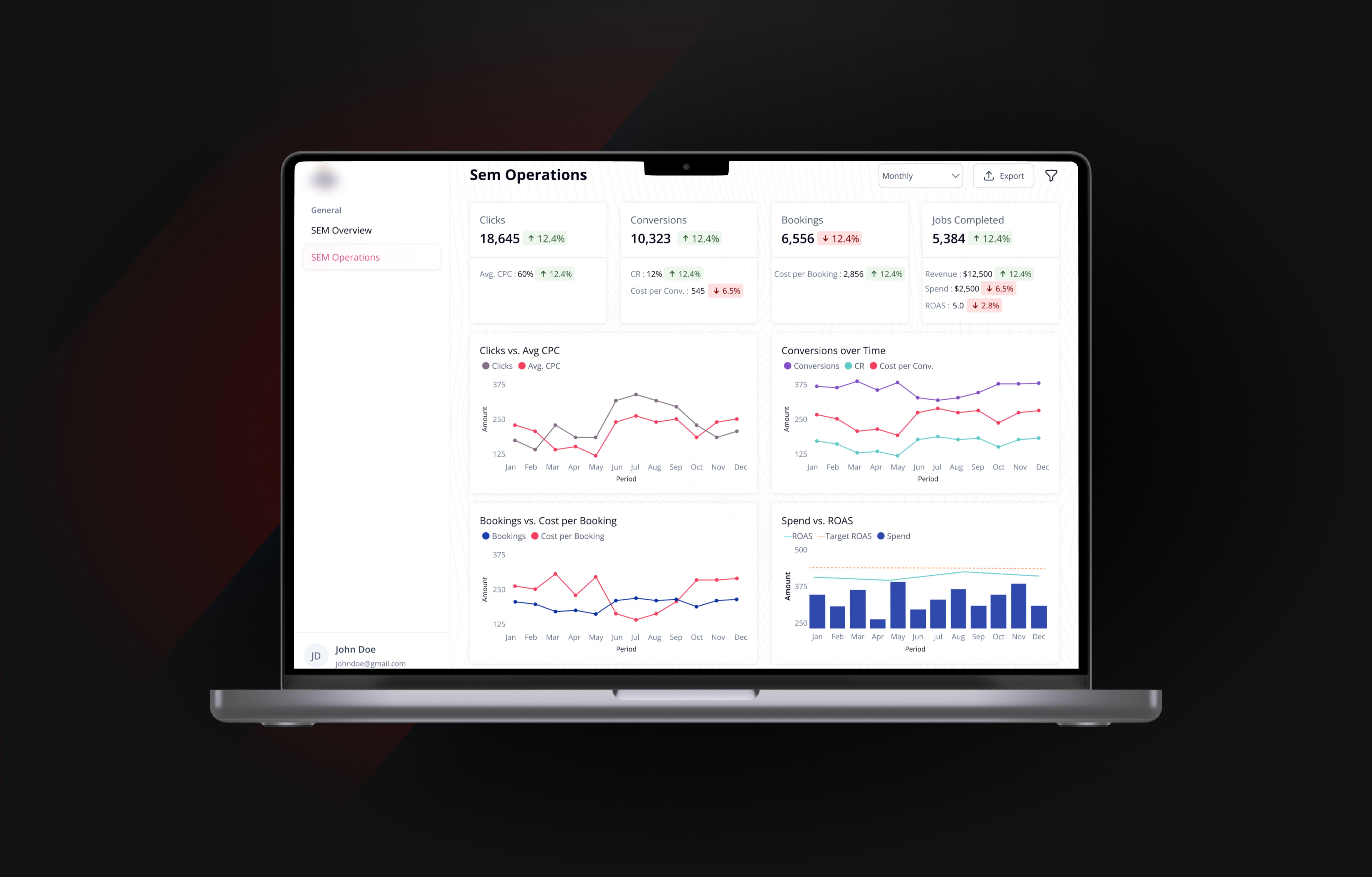
Dynamic dashboards were created to monitor key metrics such as cost-per-lead, click-through rate, conversion rate, campaign ROI, spend trends, and channel performance. Instead of relying on static weekly reports, the team could review live campaign data and make optimization decisions with more confidence.
The platform was designed for anomaly detection, visibility, and team ownership.
Automated alerting and flagging mechanisms were added to detect unusual changes in ad spend, conversions, and engagement. This helped the marketing team identify inefficiencies earlier, before they had a larger impact on campaign performance or budget allocation.
The rollout also included interactive enablement sessions with the marketing team, helping internal users manage dashboards independently, customize reports, and scale the analytics environment as campaign needs evolved.
Connected Google Ads, CRM, and offline lead data into one Power BI platform
Built real-time dashboards for CPL, CTR, conversion rate, ROI, and campaign performance
Added anomaly detection for spend, conversion, and engagement outliers
Reduced manual reporting effort by 60%
Increased campaign visibility by 45%
Enabled faster, more data-driven budget optimization decisions
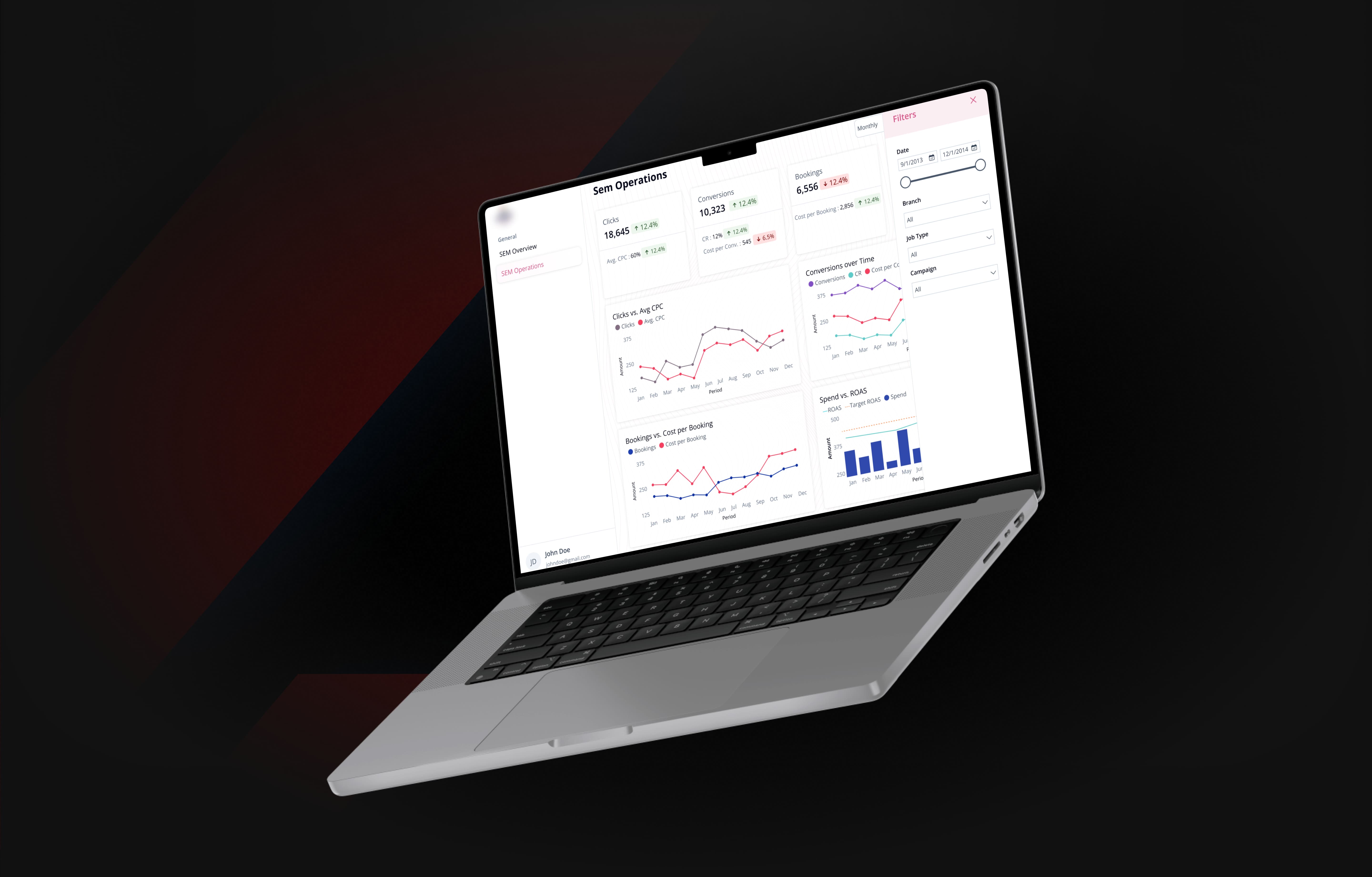
The result was a more proactive advertising performance operation.
The final platform helped the client move from reactive reporting to continuous campaign intelligence. Marketing teams could understand performance across regions and channels faster, while leadership gained a transparent view of advertising efficiency and lead quality.
By centralizing data, automating reporting, and surfacing anomalies earlier, the system gave the company a stronger foundation for reducing wasted spend, improving campaign decisions, and scaling marketing operations with greater confidence.
The value of the platform was not only in reporting advertising performance, but in helping the team adjust campaigns while there was still time to improve outcomes.
More works.
" height="56.88933297932206px" id="iGKvyhO65" transform="translate(3.555 3.555)" width="56.88888905956139px"/></g></svg>)
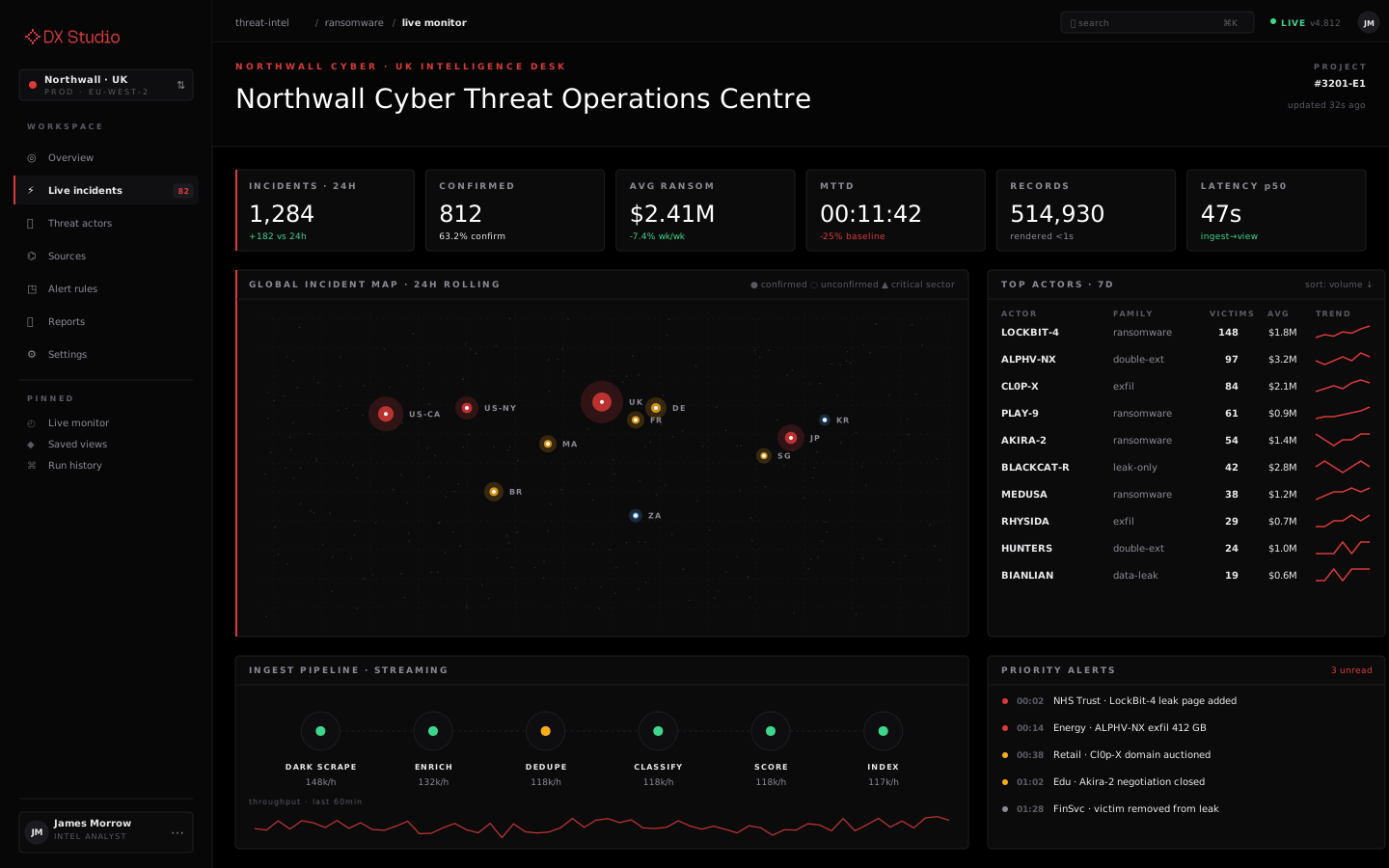
Real-Time Ransomware Monitoring
Real-Time Ransomware Monitoring Dashboard
Helping the UK-based cybersecurity research organization deliver continuous, high-performance ransomware insights that accelerate threat response and strengthen situational awareness.
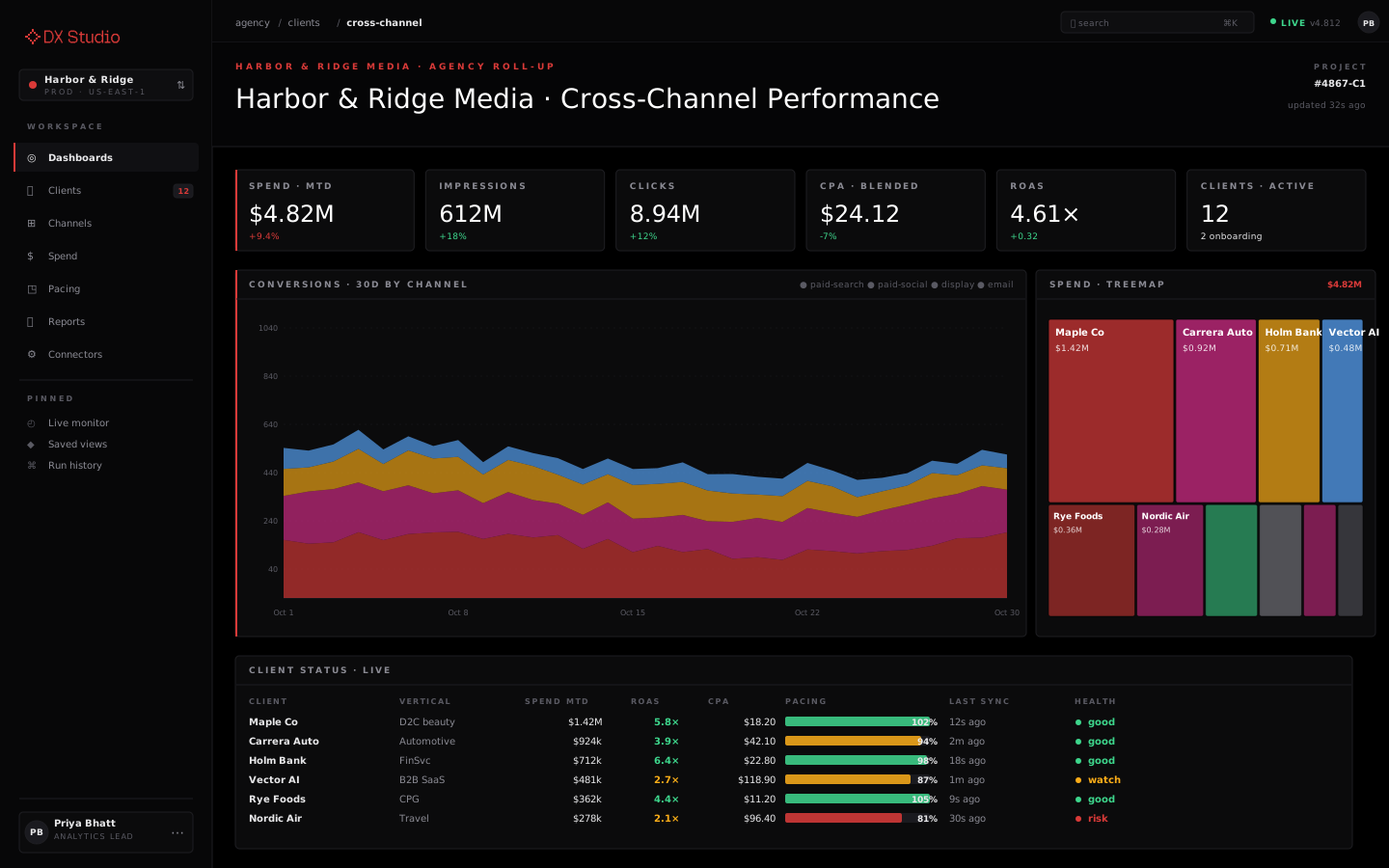
Marketing Data Dashboard
Marketing Data Dashboard for Scalable Growth
A centralized Looker Studio dashboard that consolidates multi-channel marketing data, automates reporting, and enhances real-time decision-making for a global professional services firm.
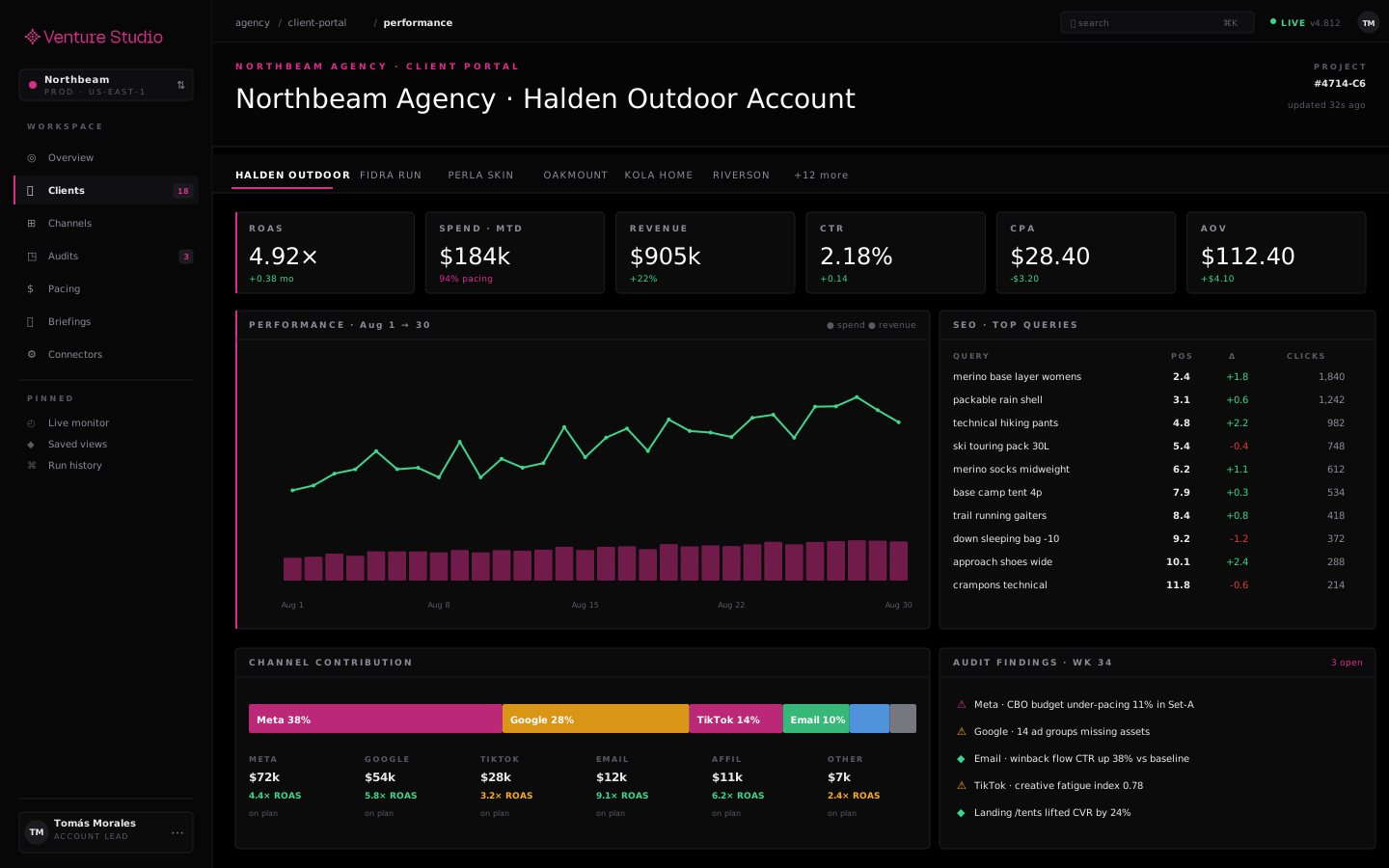
Digital Marketing Analytics
Digital Marketing Analytics Dashboard
Helping a US-based Global Digital Marketing Agency simplify and scale client reporting by unifying marketing performance data into a single, real-time analytics platform.